Hey there, fellow shell enthusiasts! I’m a supplier of Crusher Top Shells, and I’ve been knee – deep in the world of these amazing creatures for quite some time. Today, I wanna share with you all the low – down on the social behavior of Crusher Top Shells. Crusher Top Shell
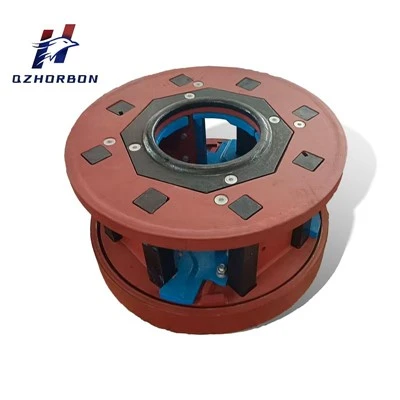
First things first, let’s talk about what Crusher Top Shells are. They’re these really cool marine gastropods. You can spot ’em in the ocean, usually hanging out in rocky areas. Their shells are super hard and have this distinct shape that makes ’em stand out.
Now, when it comes to their social behavior, it’s not like they’re throwing big parties or having long – drawn – out conversations. But they do have some interesting ways of interacting with each other.
One of the most noticeable aspects is their grouping behavior. Crusher Top Shells often form clusters. You’ll see a bunch of ’em huddled together on a rock or in a crevice. There are a few reasons for this. For starters, safety in numbers. In the big, wide ocean, there are plenty of predators looking for a snack. By clustering together, they make it harder for a predator to single one of them out. It’s like a natural shield.
Another reason for clustering is related to the environment. The areas where they live can be pretty harsh. The water currents can be strong, and the temperature can change rapidly. By staying together, they can create a more stable micro – environment. It’s like they’re huddling for warmth and protection against the elements.
When it comes to communication, it’s not as straightforward as you might think for these shelled critters. They don’t have vocal cords like us humans, but that doesn’t mean they don’t "talk" to each other. They use chemical signals. Yeah, you heard me right. They release certain chemicals into the water around them. These chemicals can convey all sorts of information, like whether a particular area is safe to move into or if there’s food nearby.
Let me give you an example. When a Crusher Top Shell finds a good food source, like some algae growing on a rock, it’ll release a chemical signal. Other nearby top shells can pick up on this signal and make their way over to the food. It’s a pretty smart way of sharing the wealth, so to speak.
Mating is another important part of their social behavior. When it’s time to mate, the Crusher Top Shells get a bit more active. They start moving around more, looking for potential partners. The males will often engage in a bit of a "courtship dance." They’ll move around the females in a sort of circular pattern, showing off their shells and trying to impress them.
Once a male has caught the attention of a female, they’ll get down to business. The mating process can take a while, and it’s a pretty delicate operation. After mating, the female will lay her eggs. She’ll usually attach them to a hard surface, like a rock or the side of a coral reef. The eggs are protected by a tough outer layer, which helps them survive in the ocean environment.
Now, the young Crusher Top Shells, or larvae, have a different social behavior compared to the adults. When they first hatch, they’re really tiny and float around in the water column. They’re part of the plankton community. At this stage, they’re more focused on avoiding being eaten and finding enough food to grow.
As they grow older and start to develop their shells, they’ll gradually settle down on the ocean floor. Once they’re on the bottom, they’ll start to exhibit the same clustering and communication behaviors as the adults.
Another interesting thing about their social behavior is how they deal with competition. In areas where food is scarce, the Crusher Top Shells can get a bit territorial. They’ll defend their little patch of rock or algae from other top shells. Sometimes, you’ll see two of them going head – to – head, pushing against each other with their shells in an attempt to claim the territory.
But it’s not all about aggression. They also have a way of sharing resources when needed. If there’s a limited amount of food in a particular area, the top shells will adjust their feeding patterns to make sure everyone gets a little something. It’s a kind of cooperation that helps the whole group survive.
In terms of their relationship with other species in the ocean, they have a mixed bag. Some species see them as a tasty meal. Crabs and some fish are known to go after Crusher Top Shells. But on the other hand, they also have a symbiotic relationship with some smaller organisms. For example, some tiny algae live on the surface of their shells. The algae get a place to live, and in return, they may provide some protection or nutrients to the top shell.
So, to sum it all up, Crusher Top Shells have a complex and fascinating social life. From their clustering behavior for safety and environmental stability to their chemical communication and mating rituals, there’s a lot going on beneath the surface.
As a supplier of Crusher Top Shells, I’ve seen these behaviors up close. It’s amazing to watch how these little creatures interact with each other and their environment. And if you’re someone who’s into marine life, whether it’s for research, education, or just because you find ’em cool, I’d love to talk to you.
If you’re interested in purchasing Crusher Top Shells for whatever purpose, whether it’s for a marine biology project, an aquarium, or just to add a unique touch to your collection, don’t hesitate to reach out. I’m always happy to chat about these amazing creatures and work out a deal that suits you.
Let’s start a conversation and see how we can make your Crusher Top Shell dreams a reality!
Crusher Rotor References:
- Marine Gastropod Studies Journal
- Ocean Life Research Papers
- The Ecology of Rocky Shore Invertebrates
Quzhou Horbon Mining Parts Co., Ltd.
Quzhou Horbon Mining Parts Co., Ltd. is one of the most professional crusher top shell manufacturers and suppliers in China, featured by high quality customized service and OEM service. Please rest assured to buy premium crusher top shell at competitive price from our factory. Contact us for pricelist.
Address: No.8 Nanshan Road, Qujiang District, Quzhou City, Zhejiang Province, China
E-mail: horbonmining@gmail.com
WebSite: https://www.horbonmachinery.com/
