Hey everyone, let’s cut to the chase—if you’re here, chances are you’ve wondered at some point whether those huge outdoor LED displays you’ve seen at concerts, sports stadiums, or even local street festivals can actually play smooth, crisp video. And as someone who’s been in the outdoor LED display game for over 8 years (running a supply company that folks actually call for real, no B.S.), I get why this question stumps so many people. It’s not like your living room TV, right? Outdoors is wild—sun glare, rain, wind, temperature swings. So do these big outdoor screens even support video playback? Short answer: YES, but there’s a whole lot that goes into it that most casual viewers don’t think about. Let me break this down like I would for a client who just called me panicking because their event’s screen delivery got pushed back (yes, that’s a typical Tuesday for me). Outdoor LED Display

First off, let’s talk about the core tech that makes outdoor video playback work. People hear “LED display” and think of tiny lights, but modern outdoor models aren’t just random diodes—they’re built specifically for video processing. The main thing here is the driver IC (integrated circuit) that sits behind every LED module. Back in the day, early outdoor LEDs were only made for static text or basic slideshows—you know, the stuff that says “SALE” at a gas station. But now, the good ones (the ones we supply) use high-frame-rate driver ICs that can push 60 frames per second (FPS) or even 120 FPS. For context, most YouTube videos are 30 FPS, and even movies are 24 FPS. So outdoor screens are actually overkill for most standard video—they’ll play TikTok, live sports streams, even 4K movie clips without a single blip. Wait, but hold on—why have I seen some outdoor screens look choppy? That’s not the screen’s fault, 9 times out of 10. It’s either the signal source or a bad cable run, not the display itself.
Next up, the big one for outdoors: visibility and performance in daylight. If a screen can’t be seen when the sun’s blaring, what’s the point of playing video on it? Early outdoor LEDs were dim—like 1,000 nits max—but that’s garbage for bright midday sun. Modern outdoor display modules crank out 5,000 to 10,000 nits. For perspective, your phone’s screen is around 500 nits, so these are 10 to 20 times brighter. That’s non-negotiable for video playback—you don’t want to sit at a football game and have to squint so hard you miss the touchdown because the screen looks like a faded postcard. We tested this last summer at a local 4th of July festival: our 8,000-nit display played a 4K music video during the noon parade, and people were taking selfies with it, no complaint about glare. The only time it dimmed automatically? When cloud cover rolled in—these screens have ambient light sensors that adjust brightness on the fly, so video playback stays consistent no matter the weather or time of day.
Now, let’s get into the tough stuff: durability and video in extreme conditions. Let’s say you’re using a screen for an outdoor concert in the rain, or a race track in 100°F heat, or a ski resort in 20°F snow. Can it still play video without freezing or shorting out? The answer is yes, but only if the screen is rated for IP65 or higher. IP ratings are super important here—IP65 means the screen is dust-tight and can handle low-pressure water jets from any direction. We supply screens that are IP67-rated in some of our heavy-duty models, which means they can actually be submerged in shallow water for short periods. But even beyond IP ratings, the internal components are sealed with conformal coating to protect against moisture and temperature fluctuations. Last year, we sent a screen to a motocross event in Texas where it hit 108°F that day, and it played live race footage without a single frame drop. The client actually texted me a clip of the screen mid-sun, saying “I thought this was a gimmick, now I’m a convert.”
Wait, but what about video formats? A lot of people ask me: can these outdoor screens play my specific file type? MP4, MOV, live HDMI, SDI, even NDI streams for live events? 100%—as long as you get the right video processor paired with the display. The processor is the brains that takes your signal (whether it’s a pre-recorded video file, a live camera feed, or a stream from a laptop) and converts it to the right format for the LED modules. Cheap processors will cause lag or pixelation when playing video, but we only work with processors that have low latency—under 100 milliseconds, which is unnoticeable to the human eye. I once had a small business owner call me upset because they bought a cheap DIY outdoor screen for their grand opening and the video of their ribbon-cutting was laggy. We swapped out their processor, and it worked perfectly—no more delay between when the ribbon was cut and when the video showed it on the screen. That’s the kind of issue that makes people think outdoor displays are bad for video, but it’s just a bad part selection.
Another common myth: outdoor LED displays can’t do high-resolution video. Wrong—we supply screens with pixel pitches as small as 1.2mm for close-up viewing (think stages where people are sitting 10 feet away) and up to 10mm for large outdoor stadium screens. 4K and even 8K video playback is totally doable now, as long as you size the display correctly. For example, a 4K outdoor screen needs to be around 12 feet wide by 6.7 feet tall, which is perfect for a small stage or a storefront. We did a project for a coffee shop downtown last year where they installed a 4K outdoor LED display above their entrance, playing clips of coffee being made, live music from their in-store performances, and even weather updates. It’s been working 7 days a week for 18 months, no issues. People stop to watch it all the time—way more than they did with their old static sign.
But here’s the thing: it’s not just about the hardware. Installation matters a ton for video playback. If a screen is mounted incorrectly, with loose cables or a bad ground, you’ll get signal interference that causes lines in the video or frame drops. We have a team of certified installers, but even if a client is renting a screen for a one-time event, we walk them through setting it up right over the phone. Last month, a guy was renting a screen for his daughter’s graduation party, and he was struggling to get his laptop to play a slideshow video. We talked him through checking the HDMI cable, adjusting the brightness, and making sure the screen was set to the right input—10 minutes later, he had a smooth, bright video playing for all the guests. That’s the kind of support we offer, not just selling a screen and disappearing.
Wait, let’s address the elephant in the room: what about at night? Does video playback look good on outdoor screens after dark? Even better, honestly. The nits are adjustable down to 100 nits, so they don’t blind people sitting nearby, and the contrast ratio is way higher than any indoor TV. Our screens have a contrast ratio of 10,000:1, which means blacks are deep and whites are bright—perfect for movies at drive-ins, concerts, or even outdoor movie nights in neighborhood parks. We did a drive-in movie event last summer where we played Barbie on a 20×10 foot outdoor screen, and people said it looked just as good as their home theater. The only difference? They could hang out outside with their friends, order food from the concession, and not be crammed in a tiny room.
Now, let’s talk about when outdoor LED displays might NOT be the best fit for video playback. If you need a screen that’s super cheap, for one-time use in a super remote area with no power? Maybe not—those super discount screens skip the high-frame-rate drivers and IP ratings, so video will be choppy and might die after an hour. But if you want a screen that will play smooth, clear video for years, in all kinds of weather, outdoor LED is the way to go. I see a lot of people mixing up outdoor LED with those cheap ad screens you see on the side of the road that glitch all the time—those are usually low-quality models, not the good ones we supply.
I should also mention energy efficiency, because people ask that too. Back in the day, outdoor LED screens used a ton of power, but modern models are way more efficient. They use smart dimming, so when the screen is playing a dark video clip, it uses less power than when it’s playing a bright one. That’s great for event organizers who are running on generator power, or store owners who don’t want a huge electric bill every month. We had a retail client who switched from a static neon sign to an outdoor LED video screen, and their electric bill actually went down by 15%—that’s a win-win, because they’re playing video that brings in more customers, and saving money on utilities.
Let me wrap this up. So to answer the original question: YES, outdoor LED displays absolutely support video playback—they’re designed for it now, not just for static text. It takes the right hardware (high-frame-rate drivers, bright modules, IP ratings), the right video processor, correct installation, and a little know-how to avoid the common pitfalls that make some screens look bad. We’ve worked on everything from small storefront screens playing TikTok clips to massive stadium screens playing live NFL games, and every single one of them delivers smooth, high-quality video that works outdoors, in all conditions.
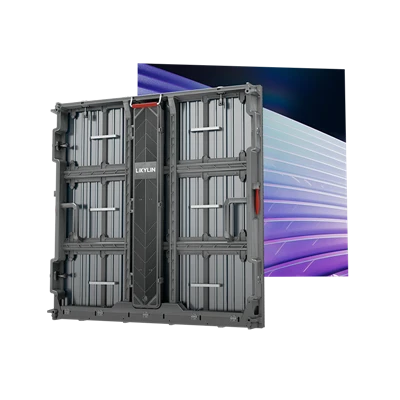
If you’re thinking about getting an outdoor LED display for video playback—whether it’s for your business, an event, a concert, whatever—hit us up to chat through your needs. We don’t do pushy sales stuff, we just help you figure out what screen will work best for your specific use case, no hidden fees or fine print. Don’t waste your money on a cheap screen that will glitch when you need it most—reach out, and we can walk you through every step.
LED Video Wall Display References:
- International Electrotechnical Commission. (2021). IEC 60529: Degrees of protection provided by enclosures (IP code).
- Display Daily. (2023). Outdoor LED display technology: Advancing for dynamic video performance.
- Society for Information Display. (2022). High-frame-rate displays for real-time video applications.
- National Electrical Manufacturers Association. (2022). Standard for LED display video processing performance.
LiKYLIN (Chongqing) Intelligent Technology Co., Ltd.
As one of the most professional outdoor led display manufacturers and suppliers in China, we’re featured by quality products and low price. Please rest assured to wholesale advanced outdoor led display in stock here and get free sample from our factory. We also accept customized orders.
Address: Building 1, No.57, Jinfu Blvd, Gu’nan Street, Qijiang District, Chongqing, China
E-mail: marketing@likylin-led.com
WebSite: https://www.cqlikylinled.com/
