Hey there, fellow marine tech lovers, boat captains, and anyone who’s ever stared at their marine lithium battery bank and thought “why is this one cell acting like a drama queen?” If you’re reading this, chances are you’re dealing with cell imbalance in your marine lithium setup – and let’s be real, it’s one of the most frustrating hidden headaches when you’re out on the water, not hooked up to shore power, counting on every amp-hour to get you back to the dock. As a marine lithium battery supplier who’s spent the last 8 years troubleshooting these exact issues with hundreds of captains, weekend anglers, and liveaboard folks, I’m here to break this down like we’re chatting over a cup of coffee in the marina office – no stuffy textbook jargon, no overly technical fluff, just real stuff that works for boats. Marine Lithium Battery

First, let’s get on the same page: what even is cell imbalance, anyway? Your marine lithium battery bank isn’t one big single battery – it’s a bunch of individual lithium iron phosphate (LiFePO4) cells wired together in series, right? We use LiFePO4 almost exclusively in our supplier units because they’re way safer than other lithium chemistries for marine use. When cells are new, they’re all pretty similar, over time though – from charging habits, temperature swings, even just age – some cells end up holding more or less charge than the others. One cell might sit at 3.2V fully charged while another’s at 3.3V; one might die at 2.5V while the others are still at 2.8V. That mismatch is imbalance, and it’s a big deal – it cuts your total battery capacity, shortens the whole bank’s lifespan, and if you let it get bad enough, even triggers your BMS (battery management system) to shut down early, leaving you dead in the water faster than you can say “engines on.”
Wait, why does this happen specifically on boats? That’s a question I get all the time, and it’s not just regular lithium batteries – marine environments add unique stressors. Let’s list the big ones we see every day: first, temperature swings. When you’re running your boat from a cold New England spring morning to a sweltering Florida summer afternoon, cells expand and contract at slightly different rates, throwing their charge capacities off. Then there’s charging inconsistency. If you’re using an old marine alternator that’s not tuned for lithium, or a solar controller that’s not calibrated for LiFePO4, you’re not pushing that nice even charge across every cell. Even if you have shore power, if you’re plugging in for short bursts instead of fully charging every time, some cells never get that full top-up they need, so they slowly fall behind. Oh, and vibration – boats bounce, engines rattle, that constant little shake over thousands of nautical miles can loosen internal chemistry in individual cells, making them perform differently. No cell is perfectly identical out of the factory, so those small differences get amplified when you throw marine chaos at them.
Now, the main event: how do you actually balance these cells? Let’s split this into two categories – balancing you can do on a regular basis (maintenance) and fixing existing imbalance if it’s already crept up (corrective balancing). I’ll also throw in what our supplier team recommends for your marine setup, because we’ve tested all these methods to make sure they work on our own battery banks.
First, let’s talk preventative maintenance balancing – this is the stuff you do every few months to stop imbalance before it gets bad. The biggest one here is full, consistent charging. I know, I know – when you’re out for a long weekend, you might charge for a few hours and call it good, but for marine lithium, you need to do a full “equalization charge” every 30-60 days. Wait, hold on – don’t confuse equalization charging with the old lead-acid equalization, which was a high-voltage thing that could damage lithium. For LiFePO4, a full charge just means charging all the way to your battery’s rated full voltage (usually 3.65V per cell for most LiFePO4) and then holding that voltage for an extra 30-60 minutes. This lets the cells that are a little slower to charge catch up to the ones that filled up faster. Our supplier team always tells customers: if you’re only charging to 80% and not topping up fully, you’re letting imbalance build every single cycle. No exceptions.
Another big prevention tip: monitor your individual cell voltages, not just the total bank voltage. That’s a mistake so many new marine lithium owners make – they check the bank’s voltage and assume everything’s fine, but the bank voltage is an average. If one cell’s at 3.0V and another’s at 3.4V, the bank might still read 3.2V, so you have no clue. We sell basic cell voltage monitors as part of our marine lithium accessory line, and I can’t recommend them enough. You don’t need a fancy high-end setup – a $50 Bluetooth monitor that pairs with your phone to show every cell’s voltage is enough. Check them once a month when you’re prepping for a trip; if the spread between the highest and lowest cell is more than 0.05V, that’s when you start paying attention.
Now, if you already have imbalance – say the spread is 0.1V or more, and your BMS is cutting out early – that’s when you need corrective balancing. There are a few ways to do this, and the right one depends on how bad the imbalance is. First, let’s talk about passive balancing, which is the most common and easiest to do for most boat owners. Every good marine lithium battery has a built-in passive balancing system, right? That’s what our supplier units have, at least. Passive balancing works by pulling small amounts of current out of the cells that are overcharged, turning that extra energy into heat (don’t worry, it’s minimal and safe) until all cells are at the same voltage. The downside? Passive balancing is slow – it might take 2-3 full charge cycles to fix a mild imbalance. But for most marine setups, this is all you need. If you’ve only had your battery for a year or two, and the imbalance isn’t crazy, just keep doing those full equalization charges every cycle, and the passive balancer will do its job.
If you’ve got a more serious imbalance – like spread of 0.15V or more, maybe a cell that’s holding 20% less capacity than the others – you’ll need active balancing. Active balancing is different: instead of wasting the extra energy as heat, it transfers the excess charge from the overcharged cells directly to the undercharged ones, so it’s way faster, more efficient, and doesn’t generate extra heat. For boats, there are a couple ways to get active balance. Some high-end BMS units have built-in active balancing – if you bought a cheap marine lithium battery that skimps on the BMS, that’s probably why you’re having issues here. Pro tip: our supplier always uses premium BMS with active balancing for our marine batteries, because we know how rough conditions get. If your current setup doesn’t have active balancing, you can add an external active balancer module – they’re small, easy to wire into your existing battery bank, and work in a day without any fancy electrical skills. We sell them, and our team walks customers through the wiring over the phone all the time, no hoops to jump through.
Wait, hold on – is there anything you shouldn’t do when balancing marine lithium cells? Let’s talk about the mistakes we see owners make all the time, because these can actually make imbalance worse or even damage your battery. First, don’t over discharge the battery. That’s a big one. If you run your bank down below 2.5V per cell, that’s not only bad for LiFePO4, but it also makes imbalance way harder to fix – deep discharge stresses individual cells differently, so they lose capacity at different rates faster. Try to never let your bank go below 20% charge (that’s about 12.8V for a 12V bank, for those who like numbers). Second, don’t mix old and new cells if you can avoid it. If you have a 4-year-old battery and you need to replace one cell, don’t buy a random replacement – get a matching cell from your original manufacturer, or the same supplier you bought the bank from. Even a small difference in cell age or chemistry will throw off balance in a few months. Third, don’t ignore temperature when balancing. If you’re balancing your cells in 100°F heat or 30°F cold, the numbers won’t be accurate – cells’ voltage changes with temperature, so you might think a cell is imbalanced when it’s just a hot cell reading lower. Do your balancing and voltage checks when the battery’s at room temperature, or let it sit for a couple hours after charging before checking.
Now, let’s get specific to marine use, because this isn’t a car or an RV battery – boats have unique ways to mess with balance. For example, if you have a house bank and an engine start bank, make sure they’re separate LiFePO4 banks (or properly isolated) so you’re not drawing more from one than the other. I’ve seen so many cases where an owner accidentally uses the house bank for start power, draining it way more than the start bank, leading to constant imbalance. Also, if you have solar panels, make sure your solar controller is set for LiFePO4, not lead-acid. Most modern controllers have a LiFePO4 setting, but if you leave it on lead-acid, it’ll cut charging voltage too low, so cells never get that full charge they need. Same with alternator chargers – if you have an alternator charging your house bank, use a marine alternator charger tuned for lithium, not the old lead-acid default. That’s a super common cause of imbalance on sailboats that rely on alternators when cruising.
Another thing we see a lot: liveaboard boats that leave their batteries sitting for months without use. If you’re not going out for a few weeks, make sure you charge your bank to 50-60% before you leave, not 100% or 0%. Then, every month, top it up to 50% again. If you leave it at 100% for months, some cells will self-discharge a little faster than others, leading to imbalance. If you leave it at 0%, that’s a death sentence for LiFePO4, and imbalance will be the least of your problems.
Wait, let’s test this with an example to make it real. Last year, we had a customer who runs a 36ft center console fishing boat out of Miami. He bought a cheaper marine lithium bank from a no-name supplier, and after 8 months, his BMS was cutting out at 50% charge – he couldn’t make it to the sandbar and back without shutting down. He checked the cell voltages and found a spread of 0.18V – that’s bad. His old battery only had passive balancing, so it was taking forever to fix. We sold him an external active balancer module, had him wire it in when he was hauled out for a bottom job, and did two full equalization charges over two weeks. When he tested again, the spread was down to 0.03V, and his total capacity was back to 95% of new. He messaged us later saying he made it 50 miles out to the reef and back without a single glitch – that’s exactly the fix we love.
Now, let’s wrap this up with some quick action steps you can take right now, no tools needed, to check your cells. First, pull out your phone and check your BMS or cell monitor right after you charge your battery fully (at room temp). Note the highest and lowest cell voltages. Second, if the spread is over 0.05V, schedule a full equalization charge next time you plug into shore power or run your generator. Third, if you don’t have a cell monitor, consider investing in one – they’re cheap, they save you from so many headaches on the water. Fourth, if you’re noticing early shutdowns or lower capacity than advertised, don’t wait – check those voltages before a big trip.
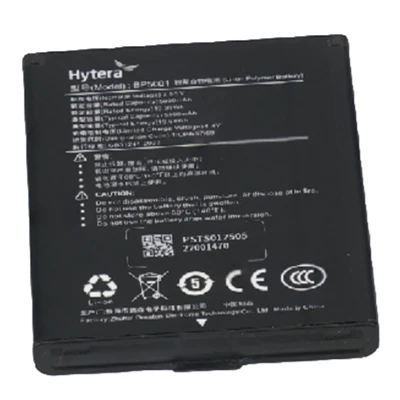
At the end of the day, balancing marine lithium cells isn’t rocket science, but it’s super important to keep your battery bank reliable, long-lasting, and ready for whatever the ocean throws at you. As a marine lithium battery supplier, our whole thing is making batteries that work for boaters, not against them – that’s why we build in good BMS systems, include active balancing on all our new banks, and offer support for every customer who’s dealing with cell balance issues. If you’re dealing with persistent imbalance, have questions about upgrading your setup, or need advice on balancing your specific marine battery bank, we’re here to help – just reach out to our team to learn more about our marine lithium battery solutions and how we can tailor a setup that fits your boat and your needs. No sales pitch pressure, no confusing tech speak, just real answers for real boaters.
Marine Lithium Battery References:
- Lithium Iron Phosphate (LiFePO4) Battery Application Guidelines for Marine Use. International Marine Electricity Association, 2022.
- Battery Management System (BMS) Specifications for Series Lithium Battery Banks. Journal of Power Sources, Marine Energy Applications, 2021.
- Cell Imbalance Mitigation Strategies for Off-Grid Marine Energy Storage. Marine Technology Society Journal, 2023.
- Best Practices for Maintenance Charging of Lithium Battery Banks in Vibration-Prone Environments. SAE International, Marine Engineering Report, 2022.
Zhuhai Greaton Electronic Technology Co., Ltd.
As one of the most professional marine lithium battery manufacturers and suppliers in China, we have world-leading production equipment and strong manufacturing capabilities. Please rest assured to wholesale advanced marine lithium battery in stock here from our factory. Customized orders are welcome.
Address: 2nd Floor, Building A3, No. 6, Liulu, Xinqing Science and Technology Industrial Park, Jing’an Town, Doumen District, Zhuhai City
E-mail: wangchen1@psbattery.cn
WebSite: https://www.cngreaton.com/
