I get this question every single week, from homeowners flipping through backyard renovation magazines, from friends chatting over a backyard beer, from even contractors who’ve never touched an outdoor space before: Can I install an outdoor kitchen myself? As someone who’s sold outdoor kitchen components for nearly a decade—helping folks go from daydreaming about grill sides and stone counters to actually using those spaces for weekend cookouts and holiday gatherings—I’ve seen every side of this question. I’ve seen a first-time homeowner nail a DIY build that’s become the center of their family’s summer, and I’ve seen someone bite off more than they can chew, leading to a half-finished patio and a last-minute panic call to my team for emergency repairs. The short answer is: it’s possible, but it’s not as simple as tossing a grill on a stone base and calling it a day. Let’s break down what that actually means, based on the parts I sell, the mistakes I’ve seen, and the reality of outdoor living spaces. Outdoor Kitchen
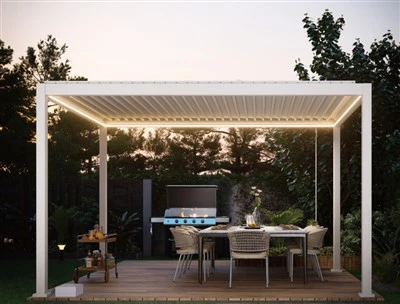
First, let’s set what we’re even talking about when we say “outdoor kitchen.” When I started in this business, most people wanted a 2-piece setup: a gas grill and a small side prep table. Now, 70% of the customers who reach out to my team want at least four components: a built-in grill, a side burner for simmering sauces, a small refrigerator for keeping drinks and marinades cold, and a covered counter for prepping food and holding serving platters. Some go even bigger, adding pizza ovens, smokers, wet bars, or even small outdoor sinks for washing produce. That’s important because the scale and complexity of what you’re building changes everything. If you’re just putting a portable propane grill on a sturdy, weather-resistant cart (a basic build I sell all the time), that’s something most handy people can handle on a weekend. But if you’re wiring a 110-volt line for a built-in fridge, running gas lines that meet local safety codes, and building a permanent enclosure for all those components? That’s a whole different level.
Let’s start with the parts that are non-negotiable, because this is where most DIYers run into trouble. When you order outdoor kitchen components from my store, we don’t just ship a grill and call it good. Every part is engineered to hold up to extreme temperatures, rain, snow, UV rays, and humidity—things that indoor appliances can’t handle. But that durability relies on proper installation, not just slapping things together. Take gas lines, for example. I can’t tell you how many times a customer has emailed me a photo of a flexible plastic gas line running along the side of their house, just tucked under a rock, and asked why their grill won’t light. Plastic lines aren’t approved for outdoor permanent installations in 42 U.S. states, per the National Fuel Gas Code, and even the states that allow them have strict rules about how they can be run, how they’re connected to your home’s main gas line, and how they’re pressure-tested for leaks. If you mess up a gas line, you’re not just left with a grill that doesn’t work—you’re creating a fire hazard. I’ve had more than one customer tell me they skipped hiring a plumber or gas fitter to save $200, only to spend $2,000 on a call to fix a leak that nearly blew out their patio light. That’s not a risk worth taking for most people.
Then there’s electrical work, which is another big one. Built-in fridges, under-cabinet lights, outdoor fans, and even some side burners require dedicated 110-volt or even 220-volt circuits. Most homeowners don’t have a spare outdoor outlet that’s hardwired to handle that, and even if you do, you need to make sure it’s installed with GFCI (Ground Fault Circuit Interrupter) protection, which is required for all outdoor spaces by the National Electrical Code. I’ve seen DIYers use indoor extension cords rated for “outdoor use” for their fridge, only for the cord to fray in the sun and cause a short that kills the fridge. That’s a $1,500 appliance gone bad because of a $15 mistake. What makes this even trickier is that many local building departments require permits for outdoor electrical and gas work, and inspectors will shut down your project entirely if it’s installed without proper permits or doesn’t meet code. I once had a customer in suburban Chicago spend three weeks building an entire outdoor kitchen enclosure, only to have the city inspector show up and make them tear out all the gas lines because they weren’t run deep enough to prevent snow damage. They had to pay a fine, and pay a professional to redo the work. That’s not the kind of DIY win anyone wants.
But wait—this isn’t to say DIY outdoor kitchens are impossible. There’s a sweet spot for people who are handy, research the right steps, and stick to the basics. Let’s talk about the entry-level builds I sell all the time, that first-time homeowners pull off successfully. The sweet spot here is what we call a “modular outdoor kitchen”: pre-cut, pre-assembled cabinets that are made from marine-grade polymer (so they don’t rot, warp, or get eaten by bugs, even in Florida humidity or Minnesota winters), a built-in grill that’s designed for easy installation in a cabinet cutout, a portable side burner, and a small weatherproof prep counter. For this setup, the only real tricky part is connecting the grill to your existing gas line (if you already have an outdoor gas outlet—no need to run a new line) and hooking up the fridge to an existing GFCI outdoor outlet. I’ve had a customer in Cleveland, who’d never done anything more complicated than hanging a shelf, message me a photo last month of her finished modular kitchen, built in a weekend, hosting a cookout for 20 people. The key here? She followed the detailed installation guide that comes with every component, watched three YouTube videos from reputable outdoor kitchen installers, and double-checked every gas connection with a soapy water solution to look for bubbles (a simple trick: mix dish soap and water, spray on connections, if bubbles form, there’s a leak). That’s doable for most people, as long as you’re willing to put in the research and don’t skip the safety checks.
Another factor to consider is the long-term maintenance and resale value of your outdoor kitchen. When you buy components from my store, we stand behind every part we sell, and if you run into installation issues, our support team is there to walk you through it for free. But if you build a DIY kitchen that doesn’t meet code, you might not be able to get a warranty on your appliances, and future home buyers might not want to buy a house with a space that’s not up to local safety standards. I once worked with a real estate agent in Austin who told me that a client of theirs backed out of a home purchase because the seller’s DIY outdoor kitchen had unpermitted gas lines, and the city required the new owner to get all new lines before closing. That added $3,000 to the closing costs, and the deal fell through. For many homeowners, the resale value is a big part of building an outdoor kitchen—you want it to add value, not become a liability.
Let’s also talk about what most people don’t think about when they’re daydreaming: weight and structural support. Outdoor kitchens, even small ones, are heavy. A 36-inch built-in grill weighs around 200 pounds, a small fridge is 150 pounds, and the stone or tile counters add another 100 pounds. That means the base you build for them needs to be strong enough to hold that weight, especially if it’s going on a patio that’s not a permanent concrete slab. I’ve seen DIYers build a base out of cinder blocks and pressure-treated wood, which rots after one year, or use a small patio that cracks under the weight of the grill and fridge. The right base for a permanent outdoor kitchen is either a concrete pad that’s reinforced with rebar, or a set of pre-engineated outdoor kitchen legs that are designed to hold the exact weight of the components you’re buying. That’s not something you can eyeball, especially if you’ve never done concrete work before. I once had a customer in Miami spend $500 on concrete for his base, only to have it settle unevenly two months later, because he didn’t add rebar for the weight of his pizza oven and grill. He had to grind the concrete to level it, which cost another $800, and still has to worry about it cracking in the next hurricane season.
So, what’s the breakdown here, if you’re trying to decide whether to go DIY or hire a pro? Let’s make it simple. If your outdoor kitchen is going to be smaller than 100 square feet, only includes a grill, a portable side burner, and a counter, and you already have a working outdoor gas line and GFCI outlet that meet local codes, and you’re comfortable reading technical manuals and doing basic safety checks—yes, you can do this yourself. I’ve helped dozens of people pull off these builds successfully, and it’s a great way to save money and get exactly the space you want. But if your outdoor kitchen is larger than that, includes a built-in fridge, sink, pizza oven, or any permanent enclosure, requires new gas lines or electrical work, or you don’t have experience with plumbing, electrical, or concrete work—hire a professional. The $1,000 to $3,000 you’ll spend on a licensed contractor is worth it to avoid the stress, the safety risks, and the extra costs of fixing mistakes.
Here’s the thing I always tell customers when they call me: outdoor kitchens are supposed to be fun, right? They’re for hosting cookouts, sipping coffee on a sunny morning, making memories with your family. They’re not supposed to be a source of stress or a project that derails your summer. I see too many people get caught up in the DIY hype, thinking they can save money by doing it all themselves, only to end up with a half-finished space that sits unused, or a safety hazard that keeps them up at night. The good news is, you don’t have to choose between DIY and hiring a pro. Many people do a hybrid: they build the enclosure themselves, save on labor, and hire a plumber or electrician to do the gas and electrical work, which is the part that requires the most expertise and safety. That’s a great middle ground that works for a lot of people.
If you’re still on the fence, here’s a quick checklist to run through before you start buying parts: 1. Are you planning to do any electrical or gas work that requires a permit in your area? If yes, can you get the permit and pass the inspection yourself? 2. Do you have at least basic experience with plumbing, electrical, or construction work? If not, are you willing to spend at least 10 hours researching and watching tutorials to learn the basics? 3. Have you calculated the total weight of all your components, and do you have a way to build a base that can hold that weight without cracking or settling? 4. Do you have a budget of at least 10% extra for unexpected mistakes or issues (it happens to everyone, even pros)? If you can check most of these boxes, DIY is probably a good fit for you. If not, it’s time to call in a professional.

At the end of the day, what matters most is that you end up with an outdoor kitchen you can use, safely, for years to come. Whether you build it yourself, hire a team, or do a mix of both, the best outdoor kitchen is the one that brings you joy, not stress. If you’re looking for high-quality, durable outdoor kitchen components, or want advice on whether your build is a good fit for DIY, don’t hesitate to reach out to our team. We’re here to help you every step of the way, from picking the right grill for your space to connecting you with licensed installers in your area if you need extra support. Don’t let fear of the unknown keep you from building the backyard space you’ve always wanted—just make sure you go into it with your eyes open, and prioritize safety and code compliance every step of the way.
Hand-Crank Aluminum Pergola References:
National Fuel Gas Code, American Gas Association, 2021
National Electrical Code, National Fire Protection Association, 2023
Outdoor Kitchen Construction Guidelines, National Association of Home Builders, 2022
Shandong RobynGoods Imp&Exp Co., Ltd.
As one of the most professional outdoor kitchen manufacturers and suppliers in China, we also support customized service. Please rest assured to wholesale discount outdoor kitchen in stock here from our factory. Quality products and reasonable price are available.
Address: Room 414, Shengdiguangyao Mansion, Shencheng Subdistrict, Shouguang, Weifang, Shandong Province, China
E-mail: info@robynoutdoor.com
WebSite: https://www.robynoutdoor.com/
