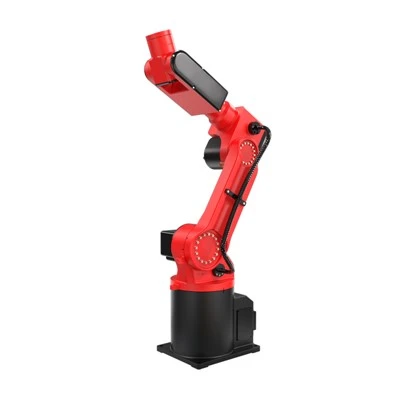
In the dynamic landscape of modern manufacturing, injection molding has long been a cornerstone process, enabling the mass – production of high – quality plastic parts with precision and efficiency. As an established injection molding robot supplier, I’ve witnessed firsthand the transformative power of automation in this field. One critical aspect that often comes up in the injection molding process is part labeling. In this blog, I’ll delve into how our injection molding robots handle part labeling, exploring the techniques, benefits, and challenges associated with this task. Injection Molding Robot
Understanding the Importance of Part Labeling
Part labeling in injection molding serves multiple key functions. Firstly, it provides vital product information. This can include batch numbers, manufacturing dates, part specifications, and material composition. Such details are essential for quality control, traceability, and regulatory compliance. In industries like automotive and medical, traceability is not just a best – practice but a legal requirement.
Secondly, branding is another significant aspect. Labels can showcase a company’s logo, enhancing brand visibility and recognition. Moreover, they can add aesthetic value to the product, making it more appealing to consumers.
Manual vs. Automated Labeling
Before the widespread adoption of automation, part labeling in injection molding was often a manual process. Workers would apply labels by hand, a labor – intensive and time – consuming method. It was also prone to human errors such as misaligned labels, inconsistent application pressure, or incorrect label placement.
In contrast, our injection molding robots offer a far more efficient and reliable solution. They can perform labeling tasks with high precision, ensuring consistent label placement and alignment with every single part. This not only improves the overall quality of the labeled parts but also boosts productivity. Robots can work continuously without breaks, reducing the time required for labeling operations and increasing the overall throughput of the injection molding process.
Techniques for Part Labeling with Injection Molding Robots
Pre – molded Label Insertion
One common technique is pre – molded label insertion. In this method, the label is pre – printed and then inserted into the injection mold cavity before the plastic injection process. Our robots are equipped with advanced grippers and vision systems that can accurately pick up the pre – molded labels and place them in the exact position within the mold.
When the molten plastic is injected into the mold, it fuses with the label, creating a permanent bond. This results in a high – quality, durable label that is resistant to wear and tear. The advantage of this method is that the label is integrated into the part during the molding process, eliminating the need for additional post – processing steps.
Post – molding Label Application
Post – molding label application is another widely used approach. After the part is molded and ejected from the mold, our robot picks up the part and then applies the label. This method is more flexible as it allows for last – minute changes to the label information.
To achieve accurate post – molding label application, our robots are equipped with vision systems. These systems can detect the position and orientation of the part, ensuring that the label is applied precisely. The robot uses a label applicator to dispense the label and press it onto the part with the right amount of pressure.
Benefits of Using Injection Molding Robots for Part Labeling
Improved Quality
The precision of our injection molding robots ensures that labels are applied consistently and accurately. This reduces the risk of defective parts due to mislabeling. Additionally, the use of technology in label application, such as vision systems, minimizes the chances of error, leading to a higher – quality final product.
Increased Efficiency
Robots can perform labeling tasks at a much faster pace than human operators. They can work around the clock, increasing the overall production rate. This not only saves time but also reduces labor costs in the long run.
Flexibility
Our robots can be easily reprogrammed to handle different types of labels and part sizes. This makes them a versatile solution for manufacturing facilities that produce a wide range of products. Whether it’s a small, intricate part or a large component, the robot can adapt to the specific labeling requirements.
Cost – effectiveness
Although the initial investment in an injection molding robot may seem significant, the long – term cost savings are substantial. Reduced labor costs, fewer defective parts, and increased productivity all contribute to a favorable return on investment.
Challenges and Solutions
Labeling Complex Geometries
One of the challenges in part labeling is dealing with parts that have complex geometries. However, our robots are designed with advanced motion control capabilities. They can maneuver around irregular shapes and apply labels accurately on curved or inclined surfaces. Additionally, the flexible grippers can hold the part securely during the labeling process, ensuring stability and precision.
Label Material Compatibility
Different label materials may have different properties, such as adhesive strength, flexibility, and durability. Our team of experts can provide guidance on the most suitable label materials for specific applications. We also work closely with label suppliers to ensure that the labels are compatible with the injection molding process and the robot’s labeling system.
Integration with Existing Production Lines
Integrating an injection molding robot for part labeling into an existing production line can be a challenge. However, we offer comprehensive integration services. Our engineers will work with your team to assess your production line’s requirements, design a customized solution, and provide on – site installation and support.
The Future of Part Labeling in Injection Molding
The future of part labeling in injection molding is looking bright, with continuous advancements in technology. We can expect to see even more sophisticated robots with enhanced vision systems, enabling them to perform labeling tasks with even greater precision. Additionally, the integration of artificial intelligence and machine learning will allow robots to adapt to changing production requirements more effectively.
There is also a growing trend towards sustainable labeling solutions. Our research and development team is actively exploring the use of eco – friendly label materials and energy – efficient labeling processes.
Conclusion
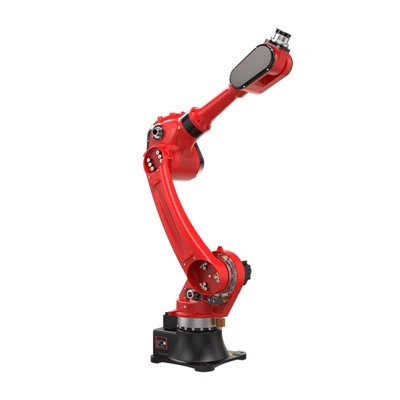
As an injection molding robot supplier, we are committed to providing our customers with the most advanced and reliable solutions for part labeling. Our robots offer a host of benefits, including improved quality, increased efficiency, flexibility, and cost – effectiveness. By leveraging the latest technologies and overcoming the challenges associated with part labeling, we can help you take your injection molding operations to the next level.
Pick and Place Robot If you’re interested in learning more about how our injection molding robots can handle part labeling in your manufacturing process, or if you’re considering upgrading your current labeling operations, I encourage you to reach out. Our team of experts is ready to have in – depth discussions with you, understand your specific needs, and provide you with a tailored solution. Whether you’re a small – scale manufacturer or a large industrial enterprise, we have the knowledge and experience to meet your requirements. Let’s start this conversation about how automation can revolutionize your part – labeling process and bring greater efficiency and quality to your production line.
References
- Smith, J. (2020). "Automation in Injection Molding: Trends and Challenges". Journal of Manufacturing Technology.
- Brown, A. (2019). "Part Labeling Techniques in Modern Manufacturing". Industrial Engineering Review.
- Johnson, R. (2021). "The Future of Robotics in Injection Molding". Robotics and Automation Journal.
Robotic Technology (GD) Co., Ltd.
Robotic Technology (GD) Co., Ltd. is one of the most experienced injection molding robot manufacturers and suppliers in China, also supports custom service and one year warranty. Please feel free to wholesale CE approved injection molding robot for sale here from our factory. Contact us for quotation.
Address: Room 102, No. 30,Hengfeng 2nd Road,Daguo, Changping Town, Dongguan City,Guangdong,China
E-mail: admin@iroboticplus.com
WebSite: https://www.rb-tic.com/
