Rubber rollers are essential components in a wide range of industries, including printing, packaging, paper manufacturing, and food processing. They play a crucial role in various industrial processes, such as conveying materials, applying coatings, and transferring inks. Given their importance, understanding when to replace a rubber roller is vital for maintaining optimal performance, ensuring product quality, and minimizing downtime. As a supplier of rubber rollers, I often get asked about the replacement frequency of these essential industrial components. In this blog, I’ll delve into the factors affecting the replacement intervals of rubber rollers and provide some guidelines to help you determine when it’s time for a replacement. Rubber Roller

Factors Affecting the Replacement Frequency of Rubber Rollers
Several factors influence how often a rubber roller needs to be replaced. Here are the key considerations:
1. Type of Application
The application in which the rubber roller is used is a major determinant of its lifespan. For example, in high – pressure applications like some printing or laminating processes, the rubber is subjected to intense stress. The pressure exerted on the roller can cause the rubber to wear down more quickly, leading to a shorter replacement cycle. In contrast, a rubber roller used in a low – stress environment, such as a light – duty conveyor system, may last much longer.
2. Material Compatibility
The compatibility between the rubber material of the roller and the substances it comes into contact with is crucial. If the rubber is exposed to chemicals, solvents, or abrasive materials that it is not resistant to, it can deteriorate rapidly. For instance, in a chemical manufacturing plant where the rollers are in contact with aggressive solvents, the rubber may swell, become brittle, or lose its elasticity. In such cases, the replacement frequency will be significantly higher compared to a situation where the roller is used in a more benign environment.
3. Operating Conditions
The operating environment has a substantial impact on the lifespan of rubber rollers. Temperature, humidity, and dust levels can all affect the condition of the rubber. High temperatures can cause the rubber to soften and degrade more quickly, while low temperatures can make it brittle. Excessive humidity can lead to corrosion of the roller’s metal core and deterioration of the rubber. Additionally, a dusty environment can introduce abrasive particles that wear down the rubber surface. For example, in a foundry or a mining operation, the high levels of dust and extreme temperatures can reduce the lifespan of rubber rollers considerably.
4. Roller Design and Quality
The design and quality of the rubber roller also play a role in its replacement frequency. A well – designed roller with a proper hardness, surface finish, and construction is more likely to withstand the rigors of its application. High – quality rubber materials with appropriate additives can enhance resistance to wear, chemicals, and heat. Cheaper, poorly designed rollers may need to be replaced more often as they are more prone to failure.
5. Maintenance Practices
Proper maintenance can significantly extend the lifespan of rubber rollers. Regular cleaning to remove debris, checking for signs of wear and damage, and adjusting the roller alignment are essential maintenance tasks. Lubrication of bearings (if applicable) and storage in a suitable environment when not in use can also help. Poor maintenance, on the other hand, can lead to premature wear and failure, necessitating more frequent replacements.
General Guidelines for Replacement Intervals
While it’s challenging to provide a one – size – fits – all answer regarding the replacement frequency of rubber rollers, here are some general guidelines based on different applications:
1. Printing Industry
In offset printing, impression rollers typically need to be replaced every 1 – 2 years, depending on the volume of printing. Blanket cylinders, which are critical for transferring ink to the print substrate, may require replacement every 6 – 12 months in high – volume printing operations. Anilox rollers, used in flexographic and gravure printing to meter ink, usually last 1 – 3 years, but the ceramic – coated ones can have a longer lifespan.
2. Paper Manufacturing
In paper mills, calender rollers, which are used to smooth and finish the paper surface, may need to be replaced every 1 – 3 years. Couch rollers, responsible for removing water from the paper web, may last 6 months to 2 years. The exact replacement intervals depend on factors such as paper grade, production speed, and the type of chemicals used in the papermaking process.
3. Packaging Industry
For packaging machines that use rubber rollers for laminating, cutting, and conveying, the rollers can last anywhere from 6 months to 2 years. Rollers used for applying adhesives may need more frequent replacement due to the potential for chemical degradation and residue buildup.
4. Food Processing Industry
Rubber rollers used in food processing must meet strict hygiene standards. They are often replaced every 3 – 6 months to ensure food safety. The contact with food ingredients, cleaning agents, and the need for regular sterilization can accelerate wear and tear.
Signs That Indicate a Rubber Roller Needs Replacement
Even if the roller is within the expected replacement interval, certain signs may indicate that it needs to be replaced immediately:
1. Wear and Tear
Visible signs of wear, such as uneven surfaces, grooving, or significant reduction in rubber thickness, are clear indicators that the roller is no longer performing optimally. A worn – out roller can cause problems such as uneven material distribution, poor print quality, or inconsistent product finishing.
2. Cracks and Tears
Cracks or tears in the rubber surface can lead to further deterioration and can also cause damage to the materials being processed. They can allow contaminants to enter the roller, accelerating its failure.
3. Loss of Elasticity
If the rubber has lost its elasticity and becomes hard or brittle, it will not be able to perform its function effectively. This can result in poor gripping, reduced pressure distribution, and inconsistent performance.
4. Contamination
Severe contamination of the rubber surface that cannot be cleaned effectively can also necessitate replacement. Contaminants can affect the roller’s performance and may even contaminate the products being processed.
Importance of Timely Replacement
Timely replacement of rubber rollers is crucial for several reasons. Firstly, a worn – out roller can lead to poor product quality. In the printing industry, for example, a damaged roller can cause streaks, smudges, or inconsistent ink coverage. In paper manufacturing, it can result in uneven paper thickness or surface defects. Secondly, using a failing roller can increase the risk of equipment breakdowns, which can lead to costly downtime. Finally, replacing rollers at the right time can help save on long – term costs. While it may seem more cost – effective to extend the life of a roller, the cost of rework, product rejects, and potential equipment damage can far outweigh the cost of a new roller.
Making the Right Replacement Decision
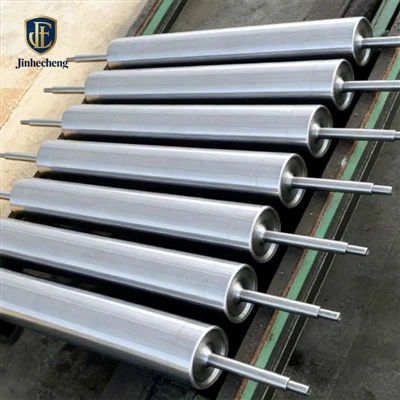
As a rubber roller supplier, I understand that making the right replacement decision is not always straightforward. That’s why I offer comprehensive support to my customers. When you’re unsure about the replacement frequency of your rubber rollers, I can work with you to assess your specific application, operating conditions, and maintenance practices. I can also help you choose the right type of rubber material and roller design to ensure maximum lifespan and performance.
Mirror Chrome Roller If you’re in need of high – quality rubber rollers or have questions about replacement intervals, I encourage you to reach out. Our team of experts is ready to assist you in finding the best solutions for your industrial needs. Whether you’re in the printing, packaging, paper, or food processing industry, we have the knowledge and experience to provide you with the right rubber rollers at the right time.
References
- "Industrial Rubber Products Handbook" by Rubber Manufacturers Association
- "Printing Technology: Principles and Practices" by John C. Fuchs
- "Paper Machine Clothing Handbook" by TAPPI Press
Qingdao Jinhecheng Machinery Co., Ltd.
Qingdao Jinhecheng Machinery Co., Ltd. is one of the most professional rubber roller manufacturers and suppliers in China, featured by quality products and low price. Please rest assured to buy discount rubber roller made in China here from our factory. Customized orders are welcome.
Address: Aishan Industrial Park, Yanghe Town, Jiaozhou, Qingdao City, Shandong Province
E-mail: alice@jhcroller.com
WebSite: https://www.jhcroller.com/
