What is the Gas – Permeability of Rubber End Gaskets?
As a supplier of rubber end gaskets, I’ve engaged in countless discussions about their various properties. Among them, gas – permeability stands out as a crucial characteristic that significantly impacts the performance of these gaskets in different applications. In this blog, I’ll delve into what gas – permeability is, why it matters, and how it relates to our rubber end gaskets. Rubber End Gasket

Understanding Gas – Permeability
Gas – permeability refers to the ability of a material to allow gases to pass through it. In the context of rubber end gaskets, it describes how easily gases can diffuse through the rubber matrix. This process is governed by two main factors: solubility and diffusivity.
Solubility is the ability of a gas to dissolve in the rubber material. Different gases have different solubilities in various types of rubber. For instance, polar gases may have different solubility characteristics in polar rubbers compared to non – polar ones. When a gas molecule comes into contact with the rubber surface, it can dissolve in the rubber, and this is the first step in the permeation process.
Diffusivity, on the other hand, is about the mobility of the dissolved gas molecules within the rubber. The rubber structure plays a vital role here. If the rubber has a more open or porous structure, the gas molecules can move through it more easily. Conversely, a dense and tightly – packed rubber structure will impede the movement of gas molecules, reducing diffusivity.
The rate of gas permeation through a rubber end gasket is determined by multiplying the solubility and diffusivity factors. The overall gas – permeability is also affected by external conditions such as temperature, pressure, and the thickness of the rubber gasket.
Why Gas – Permeability Matters
The gas – permeability of rubber end gaskets has far – reaching implications in many industrial and commercial applications.
Sealing Applications
In applications where the primary function of the gasket is to create a seal, low gas – permeability is essential. For example, in automotive engines, rubber end gaskets are used to seal various components such as the cylinder head and the engine block. If these gaskets have high gas – permeability, it can lead to the leakage of combustion gases, reducing engine efficiency and potentially causing damage to other engine parts over time.
In the food and beverage industry, gaskets are used in containers and processing equipment. High gas – permeability can allow oxygen to penetrate the container, leading to the oxidation of food products, which can affect their taste, quality, and shelf – life.
Medical Applications
In medical devices, rubber end gaskets are often used to ensure the proper functioning of equipment. For example, in respirators, low gas – permeability gaskets are crucial to prevent the leakage of oxygen or other gases, ensuring patient safety. In addition, in laboratory equipment where the handling of gases and volatile substances is common, gaskets with appropriate gas – permeability are required to maintain a controlled environment.
Factors Affecting Gas – Permeability of Our Rubber End Gaskets
Rubber Type
Different types of rubber have different gas – permeability characteristics. For example, natural rubber generally has relatively high gas – permeability due to its relatively flexible and porous molecular structure. On the other hand, butyl rubber is known for its extremely low gas – permeability. This is because butyl rubber has a very dense and non – polar structure, which restricts the movement of gas molecules.
As a supplier, we offer a wide range of rubber end gaskets made from different rubber types, including nitrile rubber, silicone rubber, and fluorocarbon rubber. Each type is selected based on the specific gas – permeability requirements of the application. For applications where low oxygen permeability is needed, we might recommend butyl rubber gaskets, while for applications that require high – temperature resistance and a moderate level of gas – permeability, silicone rubber gaskets could be a suitable choice.
Rubber Formulation
In addition to the base rubber type, the formulation of the rubber compound also affects gas – permeability. Additives such as fillers and plasticizers can change the structure of the rubber and, consequently, its gas – permeability. For example, adding certain fillers can make the rubber more dense, reducing gas – permeability. Plasticizers, on the other hand, can increase the flexibility of the rubber but may also increase gas – permeability in some cases.
Our experts carefully design the rubber formulations to meet the specific gas – permeability requirements of our customers. Through extensive research and development, we have mastered the art of adjusting the formulation to optimize the gas – permeability while maintaining other important properties such as mechanical strength and chemical resistance.
Operating Conditions
The gas – permeability of our rubber end gaskets is also influenced by the operating conditions. Temperature has a significant impact on gas – permeability. Generally, as the temperature increases, the gas – permeability of rubber also increases. This is because higher temperatures provide more energy to the gas molecules, allowing them to move through the rubber more easily. Pressure also plays a role. Higher pressure can force more gas molecules into the rubber, increasing the rate of permeation.
When we work with customers, we take into account the expected operating conditions of the gaskets. For applications in high – temperature environments, we select rubbers that can maintain their low gas – permeability characteristics even at elevated temperatures. Similarly, for high – pressure applications, we design gaskets that can resist the pressure – induced increase in gas – permeability.
Measuring Gas – Permeability of Our Rubber End Gaskets
To ensure that our rubber end gaskets meet the required gas – permeability standards, we use advanced testing methods. One common method is the pressure – difference method. In this method, a sample of the rubber gasket is placed between two chambers. One chamber is filled with the test gas at a certain pressure, while the other chamber is initially evacuated. The gas then permeates through the rubber sample from the high – pressure chamber to the low – pressure chamber. By measuring the change in pressure in the low – pressure chamber over time, we can calculate the gas – permeability of the rubber gasket.
We also use other techniques, such as the volumetric method and the sensors – based method. These methods provide accurate and reliable results, allowing us to fine – tune our manufacturing processes and ensure the quality of our products.
Our Commitment to Quality Gas – Resistance
As a rubber end gasket supplier, we are committed to providing our customers with gaskets that have the appropriate gas – permeability for their specific applications. We invest heavily in research and development to continuously improve the gas – resistance properties of our products. Our quality control processes ensure that every gasket that leaves our factory meets the highest standards.
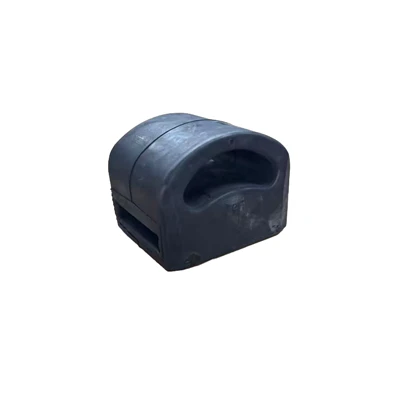
We understand that different industries have different requirements, and we work closely with our customers to understand their needs. Whether it’s a large – scale industrial project or a small – scale medical device, we have the expertise and resources to provide the right rubber end gaskets.
Rubber End Gasket If you are in the market for rubber end gaskets and have specific gas – permeability requirements, we would be delighted to discuss your project with you. Our team of experts can provide detailed technical advice and help you select the most suitable gaskets for your application. Contact us for more information and to start a procurement discussion.
References
- ASTM D1434 – Standard Test Method for Determining Gas Permeability Characteristics of Plastic Film and Sheeting.
- Van Amerongen, G. J. (1981). Butyl rubber and its copolymers. Rubber Chemistry and Technology, 54(3), 415 – 496.
- Comyn, J. (1988). Polymer Permeability. John Wiley & Sons.
Anhui Anling Rubber & Plastic Co., Ltd.
We are one of the most professional rubber end gasket manufacturers and suppliers in China, featured by quality products and good service. Please rest assured to wholesale bulk rubber end gasket in stock here and get quotation from our factory. We also accept customized orders.
Address: 3.9-Square-Kilometer Industrial Park in the Development Zone, Anqing City, Anhui Province
E-mail: anhuianling@126.com
WebSite: https://www.anhuianling.com/
