Hey there! I’m a supplier of composite fabric, and I’m super stoked to talk to you about a key aspect of our product: the fatigue resistance of composite fabric. Composite Fabric
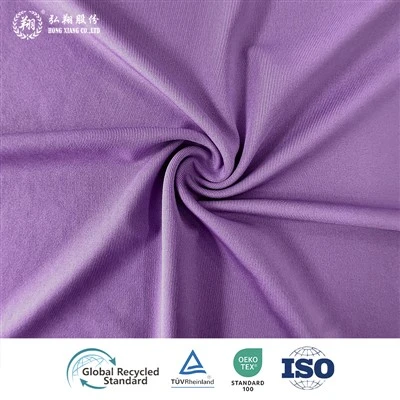
Let’s start with the basics. Composite fabric is a material made by combining two or more distinct materials with different properties to create a new material with enhanced characteristics. It usually consists of a matrix material, like a polymer resin, and a reinforcement material, such as fibers (glass, carbon, or aramid). This combination results in a fabric that’s strong, lightweight, and flexible, making it ideal for a wide range of applications.
Now, fatigue resistance is all about how well a material can withstand repeated loading and unloading cycles without failing. In the real world, composite fabrics are often subjected to cyclic stresses. For example, in aerospace applications, the wings of an aircraft experience constant changes in aerodynamic forces during flight. In automotive parts, components made of composite fabric are exposed to vibrations and dynamic loads as the vehicle moves. And in sports equipment, like tennis rackets or bicycle frames, the fabric is constantly flexed and stressed during use.
So, why is fatigue resistance so important for composite fabric? Well, if a material doesn’t have good fatigue resistance, it can develop cracks and damage over time. These cracks can grow and eventually lead to the failure of the component, which can be a huge problem, especially in safety – critical applications like aerospace or automotive. A failed aircraft wing or a broken car part can have catastrophic consequences.
Let’s dig a bit deeper into what affects the fatigue resistance of composite fabric. One of the main factors is the type of reinforcement fibers. Different fibers have different mechanical properties. Carbon fibers, for instance, are known for their high strength and stiffness. They can handle a large amount of stress, which generally translates into better fatigue resistance. Glass fibers, on the other hand, are more ductile and can absorb more energy before breaking. This can also be beneficial in terms of fatigue, as they can withstand some deformation during cyclic loading without immediate failure.
The matrix material also plays a crucial role. A good matrix material should be able to transfer the load between the fibers effectively. If the matrix is too brittle, it might crack easily under cyclic stress, which can then lead to fiber – matrix debonding and a reduction in fatigue resistance. On the other hand, a matrix that is too soft might not be able to hold the fibers in place properly, causing the fibers to move and rub against each other, which can also lead to damage.
The way the composite fabric is manufactured also impacts its fatigue resistance. The orientation of the fibers matters a lot. If the fibers are aligned in the direction of the main stress, the fabric can better withstand the cyclic loads. And the quality of the fiber – matrix interface is super important. A strong interface ensures that the load is transferred smoothly between the fibers and the matrix, reducing the likelihood of premature failure.
We, as a composite fabric supplier, are constantly working on improving the fatigue resistance of our products. We invest a lot in research and development. Our team of experts is always experimenting with different fiber – matrix combinations, adjusting the manufacturing processes, and testing the fabrics under various cyclic loading conditions.
During our R & D process, we use a variety of testing methods to evaluate fatigue resistance. One common method is the tension – tension fatigue test, where the fabric is repeatedly pulled in tension until it fails. We also use bending fatigue tests, which are more relevant for applications like sports equipment or automotive body panels. These tests help us understand how the fabric behaves under different types of cyclic stress and allow us to make improvements to our products.
In addition to R & D, we also pay close attention to quality control. Every batch of our composite fabric goes through a rigorous inspection process. We check for any defects, like voids or uneven fiber distribution, that could potentially affect fatigue resistance. We also ensure that the fabric meets all the relevant industry standards and customer specifications.
Now, let’s talk about the benefits of choosing our composite fabric with high fatigue resistance. For our customers in the aerospace industry, our fabric can help reduce maintenance costs. Since it can withstand more cyclic loading without failing, the components made from it don’t need to be replaced as often. This also improves the safety and reliability of the aircraft.
In the automotive sector, our high – fatigue – resistant fabric can lead to lighter and more fuel – efficient vehicles. Lighter components mean less energy is required to move the vehicle, which in turn reduces fuel consumption. And because the fabric can handle the vibrations and dynamic loads better, the overall durability of the vehicle is improved.
For sports equipment manufacturers, our fabric allows them to create products that are more reliable and perform better. A tennis racket made from our composite fabric can maintain its shape and performance over a longer period of time, providing a better experience for the players.
We’ve had some great success stories with our customers. One aerospace company switched to our composite fabric for their wing components. They noticed a significant reduction in maintenance costs and an increase in the service life of the wings. An automotive manufacturer used our fabric in their car body panels and saw an improvement in the vehicle’s overall performance and durability.
If you’re in the market for composite fabric and are looking for a material with excellent fatigue resistance, we’d love to talk to you. Whether you’re in the aerospace, automotive, sports equipment, or any other industry, our team of experts can help you find the right product for your specific needs. Just reach out to us to start a conversation about your requirements and how we can provide you with the best – in – class composite fabric.
Knitted Fabric References:
- "Composite Materials: Design and Applications" by David A. Dillard
- "Fatigue of Composite Materials" by David Hull and T. W. Clyne
Zhejiang Hongxiang Textile Technology Co., Ltd.
Zhejiang Hongxiang Textile Technology Co., Ltd. is one of the most professional composite fabric manufacturers and suppliers in China. With abundant experience, we warmly welcome you to wholesale custom made composite fabric from our factory. If you have any enquiry about cooperation, please feel free to email us.
Address: No. 8, 12th Road, Warp Weaving Park, Maqiao Street, Haining City, Jiaxing City, Zhejiang Province
E-mail: gd@hongxiang888.cn
WebSite: https://www.h-xiang.com/
