Hey there, if you’ve ever stared at a faded blue rectangle with a bike icon on the side of the road, squinted at a squiggly white line that cuts through car lanes, or wondered why some neighborhoods have tiny green signs bolted to every other utility pole—welcome to the chaotic, underrated world of bike lane signs. I’ve spent the last 7 years in the traffic signs game, so let me tell you: this isn’t just random paint and plastic. Every single thing you see on the side of the road has a job, and most drivers (and even some cyclists) have no clue what half of it actually means. Let’s break this down like we’re geeking out over road rules at a gas station, no boring textbook jargon, just the real stuff we deal with day to day. Traffic Signs
First off, let’s clear up a huge myth: not every “bike lane” is the same. That blue sign with the white bike? Everyone’s seen it, but most people don’t know it’s not just a “hey, bikes go here” sign. That’s a Bike Route Sign (yes, we make these—they’re our bestseller for suburban developments). Wait, no, hold on—wait the difference between that and a Bike Lane Sign is massive. The blue one I just mentioned? That’s for a designated route that’s not a separated lane—think a street where cars and bikes share the same general space, but the bike route is just marked to prioritize cyclists. The actual Bike Lane Sign? That’s the white sign with a black bike and a thick white line under it, right? That’s for a lane within a street that’s only for bikes—no cars, unless it’s turning, and even then, usually only at specific times. I’ve had a dude stop me in a parking lot last month, all mad, saying we made a sign that “blocks him from parking near the grocery store.” Turned out he thought the bike lane sign meant bikes could park there, not that cars couldn’t. Oops. That’s the kind of confusion we spend all day fixing.
Let’s get into the other signs people mix up all the time, because this is where the real chaos lives. Ever seen a sign that says “BIKE LANE CLOSED AHEAD” with a little bike icon and a big orange arrow pointing right? That’s not just a warning— that’s a heads up for when construction is messing with the lane, or the lane is blocked by a parked truck, or even a huge storm knocked down a tree. Last year, we made a batch of these for a city that had a super busy bike lane along a river; their levee broke, so we printed 20 of those orange temporary signs in 48 hours, and they saved like 10 cyclists from veering into a construction zone. People don’t realize that these signs aren’t just for normal days—they’re the unsung heroes for emergencies and temporary changes.
Then there’s the sharrows. You know, those big white “share the road” arrows with two little bike icons on either side, painted in the middle of a lane? A lot of people think that’s a bike lane, but no—those are for streets that are too narrow for a dedicated bike lane, so you’re telling drivers “hey, this lane is shared, don’t try to squeeze past us.” We get so many calls confused about sharrows vs. actual bike lane signs. One guy emailed us last week, said he put up sharrows on his street and got a ticket because he didn’t have the “real” bike lane sign. Bro, you can’t just paint sharrows and call it a day—they need to pair with a regulatory sign so everyone knows what’s going on. That’s the part most towns skip when they’re trying to “go green” with biking.
Wait, let’s talk about the signs that people completely ignore, the ones that are for cyclists but drivers trip over them all the time. Like, the sign that says “DO NOT DRIVE OR PARK IN BIKE LANE” with a big red circle and a line through a car icon. That’s a regulatory sign, not just a suggestion. I can’t tell you how many times I’ve seen a driver park their pickup truck right in the bike lane to run into Starbucks for coffee, then act like it’s the cyclist’s problem to swerve around them. That sign is there to enforce a rule, not just a heads up. And for cyclists? There’s the “BIKE SIGNAL AHEAD” sign—most cyclists wait for a regular car light, but this is a dedicated signal for bikes so they don’t get stuck waiting through three light cycles. We make those too, by the way, and more and more cities are ordering them now that e-bikes have made cycling way more popular.
Here’s a fun fact most people don’t know: bike lane signs aren’t one-size-fits-all. We design them for specific climates and traffic volumes. Like, if a city is in Florida, we use rust-resistant aluminum for all our signs, because salt air from the ocean eats regular metal alive. If a town is in the mountains, we make the signs bigger, with higher contrast, because snow and fog make it hard to see small signs. Last year, we did a custom order for a bike lane along a rural logging road—they needed signs that could handle branches falling, so we used thicker plastic that doesn’t crack when hit by a small tree branch. No one talks about that part, but it’s why our signs last 10+ years instead of 2.
Let’s get into the common mix-ups that cause so many problems, because this is where the confusion really hits. People often mix up “bike lane” with “bike path.” A bike lane is on a public street, mixed with car traffic. A bike path is off the street, in a park or a trail, and those have their own signs. The sign for a bike path is usually a green square with a white bike, not the blue rectangle for a street bike route. I had a mom call me last month, panicking, because her kid rode his bike down a “blue sign lane” and ended up on a busy highway—turns out she thought the blue sign was for a sidewalk path, not a street route. That’s the kind of miscommunication that we work to avoid, but most people don’t do the research to know the difference.
Another big one: time-specific bike lane signs. Ever seen a sign that says “BIKE LANE 7AM-7PM EXCEPT WEEKENDS” with a little clock icon? That’s not a mistake. A lot of suburban areas have narrow streets, so they only reserve the lane for bikes during rush hour, when there’s a lot of cyclists commuting, and let cars use it as a regular lane the rest of the time. We made a ton of these for a Chicago suburb last year, because during weekday rush hour, 200+ cyclists would use the lane, and on weekends, people wanted to drive right up to the park. So that sign tells drivers exactly when they can and can’t use that space. Most drivers just see the bike icon and assume it’s always a no-go, which is why those time-specific signs are so important.
Now, let’s talk about why this matters for you, whether you’re a driver, a cyclist, or just someone trying to get around town. A bike lane sign isn’t just a metal square with a picture—It’s written on purpose, based on traffic data, and it’s there to keep everyone safe. When a driver thinks a bike lane sign means “you can park here,” that’s a crash waiting to happen. When a cyclist thinks a sharrow is a dedicated lane, they swerve into a car lane and cause a fender bender. We see the aftermath of that all the time, and it sucks. That’s why we make sure every sign we produce meets federal and state standards—we don’t just print whatever a town asks for, we make sure it’s clear, visible, and does exactly what it’s supposed to do.
Over the last few years, we’ve worked with small towns, big cities, state departments of transportation, even college campuses—all of them needing signs that fit their specific needs. A campus might need smaller, more frequent signs because students are everywhere. A coastal city needs corrosion-resistant signs. A rural area needs signs that can handle farm equipment and wildlife. Every order is different, and that’s what makes our job fun. We’re not just selling signs—we’re helping cities build better, safer roads for everyone.
If you’re a city planner, a construction manager, or someone who needs to order bike lane signs for a project, let’s chat. We can help you figure out exactly what signs you need, based on your traffic volume, climate, and local rules. No generic one-size-fits-all garbage, no hidden fees, just clear, effective signs that actually do what they’re supposed to. We’ve got years of experience, we work fast, and we make sure every sign is up to code. Don’t waste time guessing what kind of sign you need—reach out, and we’ll help you get it right.
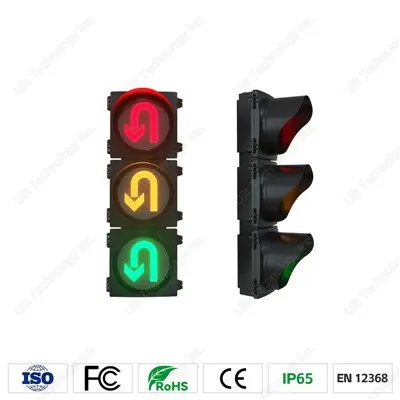
300mm Traffic Light References:
- Manual on Uniform Traffic Control Devices (MUTCD), Federal Highway Administration
- National Association of City Transportation Officials (NACTO) Bike Lane Design Guide
- American Society of Civil Engineers (ASCE) Traffic Sign Maintenance and Design Standards
- Federal Communications Commission (FCC) Roadway Visibility Guidelines for Pedestrian and Cyclist Signage
Ulit Technology Inc.
As one of the most experienced traffic signs manufacturers and suppliers in China, we offer a wide range of products with superior quality. We warmly welcome you to wholesale bulk durable traffic signs from our factory. If you have any enquiry about cooperation, please feel free to email us.
Address: NO.2 Mudan Road, Nan’an District, Chongqing, China
E-mail: cqulit@sina.com
WebSite: https://www.ulitcn.com/
