Hey everyone, it’s [Your Name] here from your go-to socket accessories supplier—so I bet if you’re reading this, you’re either a hospital facilities tech, a clinic admin, a lab coordinator, or someone who’s ever stared at a wall socket in a patient room and thought, “Wait, is that safe enough for here?” Socket Accessories
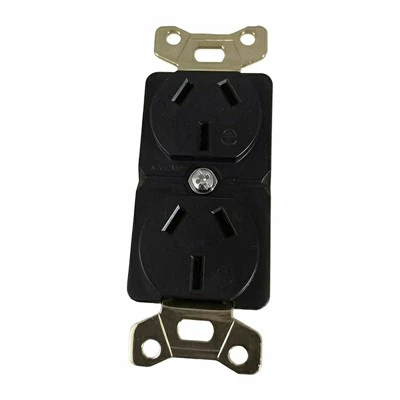
This question hits different when we’re not talking about the living room or office space. Medical spaces have got way stricter rules, higher stakes, and stuff regular sockets don’t even have to deal with—like wet spots, bulky medical carts yanking cords, or super-sensitive equipment that dies if power’s shaky. So, yeah—there are totally socket accessories made just for medical sockets. And let’s be real, skipping the right ones isn’t just a hassle—it’s a safety risk. I’ve seen it happen first-hand: a nurse in a small clinic got jolted when a regular cord came loose from a normal socket, and that’s the last thing anyone needs when they’re mid-medication administration.
First off, let’s clarify what makes a socket “medical” to begin with. I don’t mean the kind you plug your phone into in a waiting room. Medical-grade sockets (the actual wall ones) are UL 60601-1 certified, right? That’s the big safety standard for medical electrical equipment and systems. They’re built to handle more wear, resist moisture, and prevent electrical leakage that could mess with patients or gear. But even the best medical wall socket is useless if you don’t pair it with the right accessories.
Let’s start with the most common one I get asked about: medical-grade surge protectors. Wait, not the cheap ones you buy at the grocery store. Those only handle basic power blips, but medical devices—like EKG machines, infusion pumps, or patient monitors—are like divas when it comes to power surges. A random surge from the building’s AC system or a neighboring piece of gear can make a $10,000 EKG give a false reading, or shut down an infusion pump mid-drip (which is catastrophic for a patient on antibiotics). Our medical-grade surge protectors are UL 60601-1 listed, so they’re tested specifically for medical environments. They also have something called “isolation transformers” in many models—they keep stray current from leaking, which is huge for patient safety. I had a customer at a urgent care center tell us before they switched, their EKG was spiking readings during peak hours because of the building’s old wiring. Adding our surge protectors fixed that within a week. Game changer.
Next up: locking socket plugs, often called “cord locks” or “locking connectors.” Regular plugs pull out if you bump a cart, a nurse’s shoulder, or even just gravity if a cord’s too long. In a surgical suite or ICU, a loose power cord on a ventilator is a death sentence. Our medical locking plugs work differently than the ones for home entertainment systems. They twist and lock into the socket, so you have to intentionally pull and twist to remove them—no accidental yanks. We’ve also got different types: some are for standard wall sockets, some for hospital-grade sockets, and even ones for specialty areas like MRI suites (wait, yes, MRI rooms need super-specific locking plugs too, because regular metal ones mess with magnetic fields—ours are non-metallic and MRI-safe). A home health client of ours told us they lost a portable oxygen concentrator’s power mid-bathroom install once because the cord slipped out. Since switching to our locking plugs, that hasn’t happened.
Then there’s tamper-resistant socket caps, but not the flimsy kind you get for kid’s rooms. Medical spaces have tons of people coming and going—staff, contractors, family members, volunteers. Not everyone knows which sockets are for medical gear vs. general use. Our tamper-resistant caps are designed so only plugs with the right medical prongs can fit, so no one accidentally plugs a vacuum or a space heater into a socket that’s meant for a critical patient monitor. They’re also keyed differently than standard kid-proof caps—so if a contractor needs to access a socket, they can use a specific key (we sell those too) instead of jamming a screwdriver in, which can damage the socket. A hospital in Chicago told us they had a problem with housekeeping staff plugging their cleaning vacuums into patient room sockets, tripping breakers when other gear was in use. Our caps fixed that—only medical plugs fit, so no more random breaker blows.
What about cable management accessories? Wait, you might not think of that as a socket accessory, but hear me out. Medical carts, wheeled monitors, and stretchers move around a lot, so cords get snagged, pulled, and stretched tight at the socket. That can fray the cord’s wires, damage the socket’s prongs, or even create a fire hazard if the cord’s overheated. We make medical-grade cable ties (they’re heat-resistant, not the cheap nylon ones that melt), cord organizers that clip to medical carts so cords stay loose but not hanging, and even socket cord guards that wrap around the spot where the cord meets the socket. These are all made to handle repeated movement, moisture, and the strict cleanliness standards medical spaces have (they’re easy to wipe down with disinfectant, unlike regular plastic accessories). A lab client told us they were replacing 20 cords a month because they kept getting snagged by rolling lab tables. Adding our cord guards cut that to 2 or 3 a month—huge cost saver.
Wait, let’s not forget about specialty medical sockets for areas like operating rooms or intensive care units, and their accessories. OR sockets often have multiple ports (like 4 or 5) in one unit, right? And we make “distro blocks” (short for distribution blocks) that plug into those OR sockets to power multiple devices without overloading them. They also have built-in circuit breakers that trip before the socket or cords get damaged. For MRI and radiation oncology suites, we make non-metallic socket accessories—regular metal ones can distort the MRI image or interfere with radiation equipment, so ours are made of high-density plastic and fiberglass. One radiation clinic told us their old metal cord lock was messing with linear accelerator readings, and switching to our non-metallic ones fixed that.
Now, I know what some of you are thinking: “Is this all just overkill? We’ve been using regular stuff for years with no problem.” Let’s get real—until something goes wrong, you don’t notice the gap. A few years back, a small hospital in the Southeast had an incident where a regular surge protector for a cardiac monitor failed during a storm, leading to a false arrhythmia reading. The doctor ordered an emergency procedure that turned out to be unnecessary, and the hospital got a malpractice claim. That’s not a story anyone wants to live through. Medical environments have zero room for margin of error, and the right socket accessories are a cheap way to reduce that risk.
I also want to call out something I see a lot: people mixing regular and medical-grade accessories. Don’t do that. A regular surge protector doesn’t have the isolation transformers that keep current from patients, a regular plug won’t lock, and regular cable ties melt when you wipe them down with hospital-grade disinfectant. Every accessory we make is tested to UL 60601-1 standards, same as the medical sockets they pair with. That’s non-negotiable for us as a supplier—we don’t sell anything that doesn’t meet that bar.
If you’re not sure which accessories you need, that’s why we’re here. I’ve talked to a lot of facility managers who say they just go with whatever the hospital’s old vendor had, but every space is different. A small clinic has different needs than a 10-story hospital, and an OR is way different than a waiting room. We can do a walkthrough of your space, figure out which sockets are for critical gear vs. general use, and put together a custom accessory package that fits your needs—no one-size-fits-all garbage.
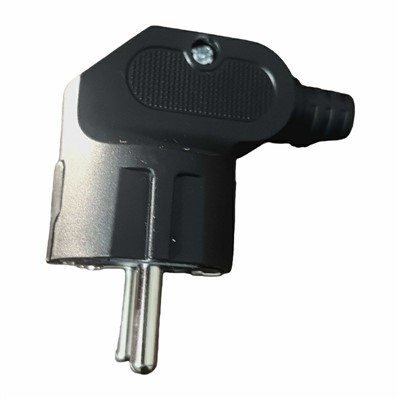
At the end of the day, socket accessories for medical sockets aren’t just parts—they’re part of patient safety. They keep gear running, prevent accidents, and save you from costly (and dangerous) mistakes. If you’re in the market for medical socket accessories, or if you’ve got questions about what you need, don’t hesitate to reach out to our team to discuss your requirements. We’re here to help you make your medical space as safe and efficient as possible.
References
Socket UL 60601-1: Medical Electrical Equipment – Part 1: General Requirements for Basic Safety and Essential Performance
NFPA 99: Health Care Facilities Code
ISO 14971: Medical Devices – Application of Risk Management to Medical Devices
Foshan Haosheng Technology Co., Ltd.
As one of the leading socket accessories manufacturers and suppliers in China, we warmly welcome you to buy advanced socket accessories made in China here and get pricelist from our factory. All customized products are with high quality and competitive price.
Address: No.4, Jinsha Liansha Shangliang Development Zone Avenue, Danzao Town, Nanhai District, Foshan City, Guangdong Province, China
E-mail: 13925140140@163.com
WebSite: https://www.hssocket.com/
