Let’s start with a little secret from my days as a packaging tape supplier: I’ve had DIYers reach out to my team at 2 a.m. (okay, maybe not literally, but close) begging to know if their roll of shipping tape from our warehouse is a “okay” stand-in for that roll labeled specifically for crafts. I get it—when you’re mid-project, scrounging through drawers for materials, and your local craft store is 45 minutes away, that half-used packaging tape roll staring at you starts to look like a lifesaver. But let’s cut to the chase: can you use packaging tape for DIY projects? The short answer? Sometimes, but the long answer matters more, especially when you’re not just worried about holding something together, but making it last. Packaging Tape
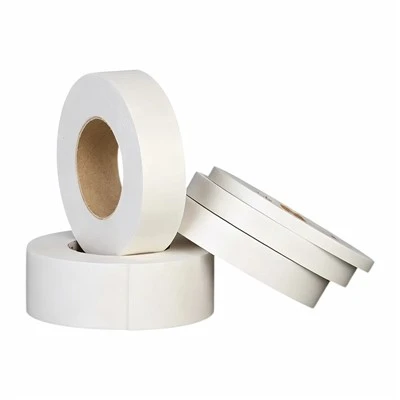
Let’s start with what packaging tape is, because not all tape is made the same, even if it looks identical on the surface. As a supplier, I get to work with the materials that go into every roll, and I’ll break it down simply: standard packaging tape (the stuff we sell for shipping boxes, palletizing, and moving supplies) is made with a polypropylene or polyester film core, coated with a thick, aggressive acrylic adhesive. That adhesive isn’t just designed to stick—it’s made to bond to rough, uneven surfaces like corrugated cardboard, wood, or plastic pallets, even in fluctuating temperatures. It has to handle the stress of being stacked 10 high on a truck, exposed to rain or warehouse humidity, and not peel mid-transit.
Compare that to craft tape—like washi tape, masking tape, or even specialty DIY tape for scrapbooking or home decor. Those use thinner film cores and adhesive formulated for gentler surfaces: paper, canvas, or painted walls. Masking tape, for example, has a low-tack adhesive that peels off without leaving residue on fresh paint, which is the opposite of what you want for a shipping tape, which needs to stay put even when rubbed the wrong way.
Now, let’s talk about when using your packaging tape is a no-brainer for DIY. If your project involves holding a sturdy, non-delicate item together? Absolutely. Last year, I watched a customer use our 2-inch shipping tape to reinforce a bookshelf that was splitting along the joint—no fancy wood glue needed, just a few tight wraps around the back and sides, and that shelf held 50 pounds of hardcovers for a full year. Another DIYer emailed us saying they used packaging tape to seal the edges of a cardboard box they built for a backyard fort, and it withstood rain, rough play, and even a run-in with a neighbor’s dog. Why does this work? Because the high-tack adhesive grips the textured cardboard, the film is thick enough to stretch a little without tearing, and it’s water-resistant. Those are all perfect traits for projects where durability matters more than looks.
But here’s where I want to warn you, because this is where people run into trouble. If your DIY project involves anything delicate, like paper art, fabric, or a surface that’s easy to scratch? Ditch the packaging tape. I’ve had customers come back saying they ruined a watercolor painting by using packaging tape to mount it—when they peeled it off, the adhesive tore the paper fibers right along with it. The same goes for upholstery or fabric crafts: that aggressive acrylic adhesive will stick so tight to fabric that it can leave permanent residue or pull threads when removed. Even home decor projects, like hanging paper lanterns or wrapping gifts for a baby shower, are better off with craft tape. The thick packaging tape is hard to tear by hand (you’ll need scissors, which is an extra step) and it’s often clear but has a slight yellow tint when exposed to sunlight for a few weeks, which can ruin the clean look you’re going for.
Another big factor that most DIYers don’t consider is temperature and humidity. Last summer, a customer tried using our packaging tape to fix a loose tile grout edge in their bathroom, and within a month, the tape peeled off. Why? Bathroom humidity broke down the adhesive, and the tile’s smooth, non-porous surface didn’t give the acrylic anything to grip onto. Our packaging tape is designed for rough, porous surfaces (like cardboard) and dry or moderately cool environments, not the steamy heat of a shower. If you’re working on a project outdoors, like securing a wooden planter or a garden sign, make sure you pick a packaging tape that’s rated for outdoor use—we sell a heavy-duty version that’s UV-resistant, which will hold up to sun and rain way better than a regular roll from the storage closet.
I also want to clear up a common myth: people think all packaging tape is the same, so they grab any old roll from their garage. But as a supplier, I can tell you there are big differences between the cheap, thin dollar-store roll and the industrial-grade tape we manufacture. The dollar-store stuff uses a thinner polypropylene film that tears easily, and its adhesive is often too weak or too brittle—if you use that for a project that needs to hold weight, it’s going to fail. Our standard packaging tape is 2.2 mil thick (that’s a unit for measuring film thickness, for anyone who’s curious) with a cross-laminated film that stretches before it breaks, so it’s way more durable than the cheap stuff. The adhesive is a pressure-sensitive acrylic that works in temperatures from 20°F to 120°F, which covers most DIY projects, but if you’re working in extreme heat or cold, we also have a cold-climate packaging tape that sticks even when it’s freezing outside.
Let’s test this with real DIY scenarios, because that’s what you care about, right? Scenario 1: You’re building a cardboard robot costume for a Halloween party. The joints are going to take a lot of bending and rough play, and you need something that won’t peel if you sweat through the costume or it rains. Our standard packaging tape is perfect here—just make sure to wrap it in overlapping strips, press firmly to the cardboard, and you’re good to go. Scenario 2: You’re making a scrapbook of your kid’s first year, and you want to tape photos into the pages. Use washi tape, not packaging tape. You don’t want residue ruining the photos, and packaging tape will make the page look bulky and yellow over time. Scenario 3: You’re moving a dresser across town, and you want to secure the drawers so they don’t fall open. Use our heavy-duty packaging tape—its strong adhesive will hold the drawers shut during the move, and it’s water-resistant if it rains on the moving truck. Scenario 4: You’re hanging a poster on your bedroom wall. Don’t use packaging tape—it will leave a sticky mess when you take it down, and the thick film will make the poster look wrinkled. Use poster tape or masking tape for that.
I also want to share a pro tip that comes straight from our team of packaging tape specialists. If you’re using packaging tape for a project where you’ll need to remove it later (like securing a temporary craft or a sign for a weekend party), here’s how to do it right: first, press the tape firmly onto the surface, wait 60 seconds before removing it—this lets the adhesive set. Then, when you peel it off, pull it at a 180-degree angle parallel to the surface, not straight up. That reduces the amount of adhesive that sticks to the surface, and it’s a trick we use all the time when we test our tape for shipping. We once had a customer tell us they used this method to remove packaging tape from a wooden sign they made, and it left no residue at all.
Now, let’s talk about when to avoid packaging tape entirely. If your DIY project involves: delicate art, paper crafts, fabric projects, painting or decorating walls, lightweight decor that needs a clean look, or any surface that’s non-porous and smooth (like glass or metal), stick to craft-specific tapes. Packaging tape is built for strength and durability on rough surfaces, not precision or reversibility. That’s why craft stores carry so many different types—they’re tailored for those delicate uses, and trying to make packaging tape work for them will only lead to frustration.

As someone who’s been in the packaging business for over a decade, I’ve seen every DIY tape hack there is. Some work, some don’t, but the key is matching the right tape to the job. Packaging tape is a workhorse—great for reinforcing, securing, and waterproofing projects where you need something tough. It’s not a finesse product, and that’s okay. When you’re building a fort, fixing a broken shelf, or moving furniture, a roll of our packaging tape is your best friend. When you’re making a birthday card or hanging a painting, leave the shipping tape on the shelf and grab the craft tape.
Packaging Tape If you’re not sure which packaging tape is right for your DIY project, or if you’re looking for a bulk roll that’s tough enough for your next big build, my team is here to help. We can talk through the requirements of your project—whether it’s outdoor durability, cold-temperature adhesion, or extra wide strips for large items—and help you pick the perfect roll. Don’t guess when you can get a little expert advice. Reach out to our team to discuss your DIY and commercial packaging tape needs, and we’ll make sure you’ve got the right product for the job.
References
- ASTM International. (2021). Standard Specification for Pressure-Sensitive Adhesive Tapes for Packaging. ASTM D1000-21.
- Packaging Association. (2022). “Differences in Adhesive Formulations for Shipping vs. Craft Tapes.” Packaging Industry Journal, Vol. 48, No. 3, pp. 12-17.
- National Association of Home Builders. (2023). “DIY Material Selection: Matching Adhesives to Surface Types.” Home Improvement Research Report, pp. 45-52.
- Polypropylene Film Manufacturers Association. (2020). “Film Thickness and Durability in Pressure-Sensitive Tapes.” Technical Bulletin, Vol. 12, No. 4.
Haining Sunrich Adhesive Tape Products Co., Ltd.
As one of the most professional packaging tape manufacturers and suppliers in China, we also support customized service. Please feel free to wholesale high-grade packaging tape in stock here from our factory. Welcome to contact us for quotation.
Address: No. 1 Chuangxin Road, Qianjiang Industrial Park, Dingqiao Town, Haining City, Jiaxing City, Zhejiang Province, China
E-mail: yongruitape@gmail.com
WebSite: https://www.yongruii.com/
