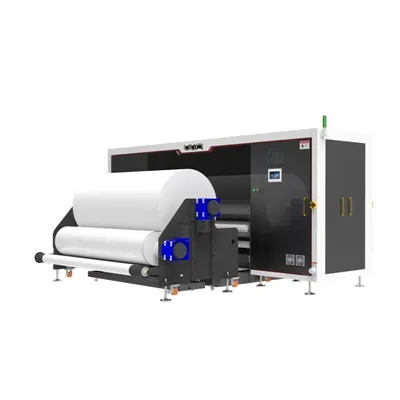
Printing on small-sized objects with a sublimation printer offers a unique and creative way to personalize various items. As a supplier of sublimation printers, I understand the intricacies and possibilities that come with this technology. In this blog, I’ll share some valuable insights on how to effectively print on small-sized objects using a sublimation printer. Sublimation Printer
Understanding Sublimation Printing
Sublimation printing is a process that involves transferring dye onto a substrate using heat and pressure. The dye is first printed onto a special transfer paper, and then, when heat is applied, it turns into a gas and bonds with the surface of the object. This results in a high-quality, long-lasting print that is resistant to fading and scratching.
Choosing the Right Sublimation Printer
When it comes to printing on small-sized objects, selecting the right sublimation printer is crucial. Look for a printer that offers high resolution and color accuracy. Some printers are specifically designed for small-scale printing and come with features that make it easier to handle small objects. For example, printers with adjustable print heads can be beneficial as they allow you to position the print precisely on the object.
Preparing the Small-Sized Objects
Before printing, it’s important to prepare the small-sized objects properly. First, clean the surface of the object to remove any dust, dirt, or oils. This will ensure that the dye adheres well to the surface. You can use a mild cleaning solution and a soft cloth to clean the object.
If the object has a curved or irregular surface, you may need to use a jig or fixture to hold it in place during the printing process. This will help prevent the object from moving and ensure a consistent print.
Selecting the Right Transfer Paper
The choice of transfer paper is also important for successful sublimation printing. There are different types of transfer papers available, each designed for specific applications. For small-sized objects, look for a transfer paper that has a smooth finish and can hold the dye well. Some transfer papers are also designed to work better with certain types of printers and inks.
Designing the Print
Once you have your printer, objects, and transfer paper ready, it’s time to design the print. You can use graphic design software such as Adobe Photoshop or Illustrator to create your design. Make sure to consider the size and shape of the object when designing the print. You may need to resize and crop the design to fit the object properly.
It’s also important to use high-resolution images and choose the right color mode. Sublimation printing works best with CMYK color mode, so make sure your design is set to this mode before printing.
Printing the Design on the Transfer Paper
Before printing on the transfer paper, it’s a good idea to do a test print on a regular piece of paper to check the color accuracy and alignment. Once you’re satisfied with the test print, load the transfer paper into the printer and print the design. Make sure to follow the printer’s instructions for loading the paper and setting the print settings.
Transferring the Print to the Small-Sized Object
After printing the design on the transfer paper, it’s time to transfer it to the small-sized object. You’ll need a heat press for this step. There are different types of heat presses available, including clamshell, swing-away, and drawer-style heat presses. Choose a heat press that is suitable for the size and shape of the object.
Place the printed transfer paper on the object, making sure the design is positioned correctly. Then, place the object and the transfer paper between the heat press platens. Apply heat and pressure according to the manufacturer’s instructions. The heat will cause the dye to turn into a gas and bond with the surface of the object.
Troubleshooting Common Issues
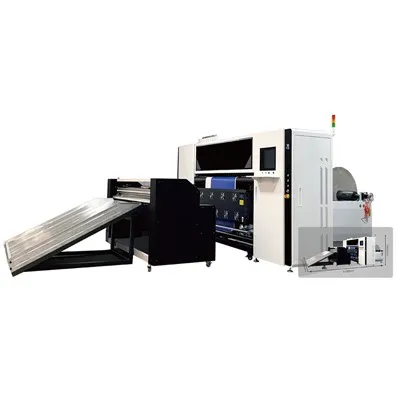
Even with the best preparation, you may encounter some issues during the sublimation printing process. Here are some common issues and how to troubleshoot them:
- Poor print quality: If the print quality is poor, it could be due to several factors. Check the printer settings to make sure they are correct. Make sure the transfer paper is loaded correctly and that the ink cartridges are not empty. You may also need to clean the print heads.
- Uneven transfer: If the print is not transferred evenly, it could be due to uneven pressure or heat. Make sure the heat press is level and that the pressure is applied evenly across the object. You may also need to adjust the temperature and time settings.
- Fading or scratching: If the print fades or scratches easily, it could be due to using the wrong type of transfer paper or not applying enough heat and pressure. Make sure to use a high-quality transfer paper and follow the manufacturer’s instructions for heat and pressure.
Conclusion
Sublimation Printer Printing on small-sized objects with a sublimation printer can be a fun and rewarding experience. By following the steps outlined in this blog, you can achieve high-quality prints on a variety of small objects. As a sublimation printer supplier, I’m here to help you with any questions or concerns you may have. If you’re interested in purchasing a sublimation printer or need more information about sublimation printing, please don’t hesitate to contact me for a procurement discussion.
References
- Smith, J. (2020). Sublimation Printing: A Comprehensive Guide. Printing Press Inc.
- Johnson, A. (2019). The Art of Sublimation. Graphic Arts Publishing.
Hangzhou Yulan Technology Co., Ltd.
Hangzhou Yulan Technology Co., Ltd. is one of the most professional sublimation printer manufacturers and suppliers in China. With abundant experience, we warmly welcome you to wholesale the newest sublimation printer in stock here from our factory. Good service and quality products are available.
Address: Building, No.128 Rihui Road, Linping District, Hangzhou, China.
E-mail: ulinprint@gmail.com
WebSite: https://www.ulinprinter.com/
