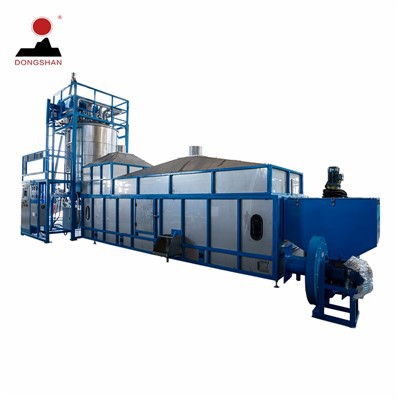
EPS (Expanded Polystyrene) shape molding machines are crucial in various industries, especially those involved in packaging, construction, and insulation. As an EPS shape molding machine supplier, I’ve witnessed firsthand the importance of proper operation to ensure machine longevity, product quality, and overall efficiency. In this blog, I’ll share some key strategies to avoid improper operation of an EPS shape molding machine, based on my years of experience in the industry. EPS Shape Molding Machine
1. Thorough Operator Training
One of the most effective ways to prevent improper operation is to provide comprehensive training to machine operators. A well – trained operator is more likely to understand the machine’s functions, safety protocols, and maintenance requirements.
When starting out, new operators should be given in – depth theoretical knowledge about the EPS shape molding process. This includes understanding the properties of EPS beads, the role of steam in the molding process, and the different settings on the machine. For example, they need to know how varying the steam pressure can affect the density and quality of the molded EPS products.
Practical training is equally important. Operators should be supervised as they perform basic tasks such as loading the EPS beads, setting the mold temperature, and cycling the machine. They should practice troubleshooting common issues like blockages in the bead feeding system or uneven heating of the mold. Hands – on experience helps them become familiar with the machine’s controls and respond quickly to any unexpected situations.
Regular refresher courses can also be beneficial. The technology behind EPS shape molding machines is constantly evolving, and new operating techniques may emerge. By keeping operators updated, they can take full advantage of the machine’s capabilities and avoid making outdated or incorrect moves.
2. Strict Adherence to Safety Protocols
Safety is paramount when operating an EPS shape molding machine. Ignoring safety protocols not only endangers the operator but can also lead to improper operation and damage to the machine.
Before starting the machine, operators should always wear appropriate personal protective equipment (PPE), such as safety glasses, gloves, and ear protection. Safety guards and shields should be in place and in good working condition. These guards prevent operators from coming into contact with moving parts, hot surfaces, or steam.
The machine should be inspected daily for any signs of wear or damage. This includes checking the electrical wiring, steam pipes, and mechanical components. Any loose connections, leaks, or worn – out parts should be repaired or replaced immediately. For instance, a small leak in the steam pipe can lead to inconsistent steam pressure, which in turn affects the molding process.
Emergency stop buttons should be easily accessible and tested regularly to ensure they function properly. In case of an emergency, operators need to be able to stop the machine quickly to prevent further damage or injury.
3. Regular Maintenance and Calibration
Proper maintenance and calibration are essential to keep an EPS shape molding machine operating correctly. A well – maintained machine is less likely to experience breakdowns and produce defective products.
The machine should be cleaned regularly to remove any EPS residue, dust, or debris. This is particularly important in areas such as the bead hopper, feeding pipes, and molds. A build – up of residue can cause blockages, which can disrupt the bead feeding process and lead to uneven molding.
Lubrication of moving parts is another critical maintenance task. Components such as bearings, gears, and cylinders need to be lubricated according to the manufacturer’s recommendations. This reduces friction, extends the lifespan of the parts, and ensures smooth operation.
In addition to cleaning and lubrication, the machine should be calibrated regularly. This involves checking and adjusting settings such as temperature, pressure, and timing. For example, the temperature of the mold needs to be accurately calibrated to ensure that the EPS beads expand and fuse together properly. Incorrect temperature settings can result in products that are either too soft or too brittle.
4. Quality Control of Input Materials
The quality of the EPS beads used in the molding process has a significant impact on the operation of the machine and the final product quality. Using low – quality or contaminated beads can lead to improper operation and a host of problems.
When sourcing EPS beads, it’s important to work with reliable suppliers. The beads should have consistent size, density, and expandability. Suppliers should provide certificates of quality that verify the specifications of the beads.
Before using the beads, they should be inspected for any signs of damage, moisture, or foreign particles. Moisture in the beads can cause problems during the expansion process, resulting in unevenly expanded products. If the beads are found to be of poor quality, they should not be used in the machine.
Proper storage of the EPS beads is also crucial. The beads should be stored in a dry, cool place, away from direct sunlight and sources of heat. They should be kept in sealed containers to prevent contamination.
5. Implementing Standard Operating Procedures (SOPs)
Standard Operating Procedures (SOPs) provide a clear set of guidelines for operating the EPS shape molding machine. Having well – defined SOPs helps ensure consistency in operation and reduces the risk of improper actions.
The SOPs should cover every aspect of the machine’s operation, from startup to shutdown. This includes step – by – step instructions for tasks such as bead loading, mold setting, steam injection, and product ejection. Operators should be required to follow these procedures precisely, and any deviations should be investigated and documented.
SOPs should also include instructions for handling different types of molds and products. Different molds may require specific settings and operating techniques, and the SOPs should provide detailed guidance on how to adjust the machine accordingly.
Regular reviews and updates of the SOPs are necessary to reflect any changes in the machine’s operation, new safety requirements, or improvements in the molding process.
6. Monitoring and Data Analysis
Monitoring the operation of the EPS shape molding machine is an effective way to detect and prevent improper operation. By collecting and analyzing data, operators can identify trends and potential issues before they become major problems.
Sensors can be installed on the machine to monitor parameters such as temperature, pressure, steam flow, and cycle time. This data can be recorded and analyzed using software. For example, if the temperature of the mold starts to deviate from the set point over time, it could indicate a problem with the heating system.
Operators should also keep a log of the machine’s operation, including any issues that arise, maintenance activities, and product quality. This log can be used for troubleshooting, performance evaluation, and continuous improvement.
By analyzing the data and logs, patterns can be identified. For instance, if a particular type of product consistently has quality issues at a certain stage of the molding process, it may be necessary to adjust the machine’s settings or the operating procedure.
Conclusion
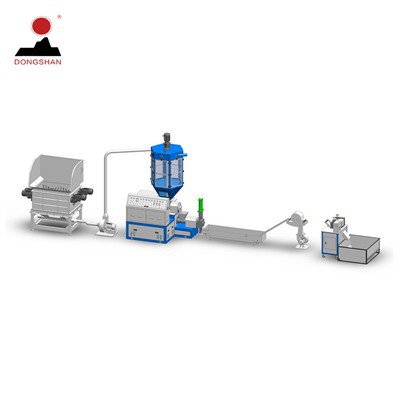
Avoiding improper operation of an EPS shape molding machine is essential for ensuring product quality, machine longevity, and operator safety. By providing thorough operator training, adhering to strict safety protocols, performing regular maintenance and calibration, controlling the quality of input materials, implementing standard operating procedures, and monitoring and analyzing machine data, operators can minimize the risk of improper operation.
EPP Molding Machine If you’re in the market for an EPS shape molding machine or need more information on proper operation and maintenance, I encourage you to reach out to us. Our team of experts is ready to assist you in finding the right machine for your needs and providing ongoing support.
References
- "EPS Molding Technology Handbook", Industry – specific publishing house, 20XX.
- "Safety Guidelines for Plastic Processing Machinery", International safety standards organization, 20XX.
- "Best Practices in EPS Product Manufacturing", Professional industry association, 20XX.
Hangzhou Fuyang Dongshan Plastic Machinery Co., Ltd.
Hangzhou Fuyang Dongshan Plastic Machinery Co., Ltd. is one of the most professional EPS shape molding machine manufacturers and suppliers in China, featured by quality products and low price. Please feel free to wholesale advanced EPS shape molding machine made in China here and get quotation from our factory. Customized orders are welcome.
Address: 101 Guanting, Baiqian Villige, Luzhu Town, Fuyang District, Hangzhou City, Zhejiang Province, China
E-mail: xu@dong-shan.cn
WebSite: https://www.epseppmachinery.com/
