Hey there! I’m a supplier of box-type substations. You know, a box – type substation is a crucial piece of equipment in the power distribution system. It packs all the necessary components like transformers, switchgear, and control equipment into a single, self – contained unit. But here we’re going to talk about what the emergency response plan for a box – type substation should be. Box Type Substation
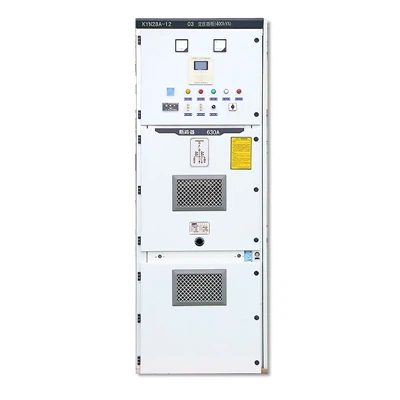
First off, let’s understand why we need an emergency response plan. Box – type substations can face various issues that might disrupt the power supply or even pose a safety risk. Things like short – circuits, overheating, or physical damage can occur. Without a proper plan in place, these problems can quickly spiral out of control, leading to longer power outages, equipment damage, and potential safety hazards for the people around.
1. Risk Assessment
The very first step in creating an emergency response plan is to conduct a thorough risk assessment. We need to know what kind of problems our box – type substations might face. For example, electrical faults are quite common. A short – circuit can happen due to insulation breakdown, which can lead to a sudden surge of current. This not only damages the equipment but can also cause electrical fires.
Overloading is another risk. If the load on the substation exceeds its rated capacity for an extended period, it can cause the transformer to overheat. Overheating can damage the windings, reduce the lifespan of the equipment, and even lead to a complete failure.
External factors also play a role. Natural disasters like floods, earthquakes, or storms can cause physical damage to the substation. For instance, a flood can submerge the substation, damaging the electrical components due to water ingress. An earthquake can displace or damage the internal parts, affecting the normal operation of the substation.
2. Emergency Response Team
Once we’ve identified the risks, the next step is to establish an emergency response team. This team should be composed of trained personnel who know how to handle different types of emergencies.
There should be electrical engineers on the team who can diagnose and fix electrical faults. They need to understand the electrical circuits, the operation of the transformers, and the switchgear. They should be able to quickly identify the source of the problem and take appropriate measures to isolate the faulty part and restore the power supply.
We also need safety officers. Their job is to ensure the safety of everyone involved during the emergency response. They’ll make sure that the proper safety procedures are followed, like wearing personal protective equipment (PPE) when working on the electrical equipment.
Maintenance technicians are also essential. They can perform quick repairs and replacements of damaged components. They need to be familiar with the structure of the box – type substation and have the necessary tools and spare parts on hand.
3. Emergency Procedures
Now, let’s talk about the actual emergency procedures. When an emergency occurs, the first thing to do is to activate the alarm system. This alerts everyone in the vicinity, including the emergency response team. The alarm can be a visual and audible signal, so it can be easily noticed by people even from a distance.
Once the alarm goes off, the first responders should quickly assess the situation. They need to find out what kind of emergency it is. Is it an electrical fault, a fire, or physical damage? Based on the assessment, they can decide on the appropriate actions.
For an electrical fault, the first step is to isolate the faulty section. This usually involves shutting off the relevant circuit breakers. By doing this, we can prevent the fault from spreading and causing more damage. After isolating the fault, the electrical engineers can start diagnosing the problem. They might use testing equipment like multimeters to check the electrical parameters and find out where the problem lies.
If there’s a fire in the substation, the first responders need to use the appropriate fire – fighting equipment. There should be fire extinguishers available in the substation, and the team members should be trained on how to use them. For electrical fires, carbon dioxide or dry – powder fire extinguishers are usually recommended, as they won’t conduct electricity and can effectively put out the fire.
In case of physical damage caused by natural disasters, the first responders need to make sure that the substation is safe to approach. They should check for any signs of structural instability. If the substation is in a flood – prone area, and it’s been flooded, they need to wait for the water to recede and then dry out the equipment before attempting any repairs.
4. Communication and Coordination
Communication is key during an emergency. The emergency response team needs to communicate effectively with each other. They can use two – way radios or mobile phones to stay in touch. This ensures that everyone is on the same page and knows what actions are being taken.
The team also needs to communicate with the power grid operators. If the substation is part of a larger power distribution network, the grid operators need to be informed about the emergency. They can then take appropriate measures to adjust the power flow and minimize the impact on the overall grid.
In addition, communication with the local authorities might be necessary, especially in case of a major emergency. The local fire department, for example, might need to be called in if the fire in the substation is out of control. The local police can also help in cordoning off the area to ensure public safety.
5. Training and Drills
All members of the emergency response team should receive regular training. The training should cover the theoretical knowledge of the substation’s operation, the different types of emergencies, and the corresponding response procedures. They should also receive hands – on training on using the safety equipment and performing repairs.
Emergency drills should be conducted regularly. These drills simulate real – life emergency situations. By practicing these drills, the team members can improve their response speed and coordination. They can also identify any gaps in the emergency response plan and make necessary improvements.
6. Post – emergency Actions
After the emergency has been resolved, there are still some important actions to take. First, a detailed investigation should be carried out to find out the root cause of the emergency. This can help us prevent similar emergencies from happening in the future.
The damaged equipment should be repaired or replaced as soon as possible. We need to make sure that the substation is restored to its normal operating condition. The performance of the emergency response plan should also be evaluated. We should check what worked well and what could be improved. Based on the evaluation results, we can update the emergency response plan.
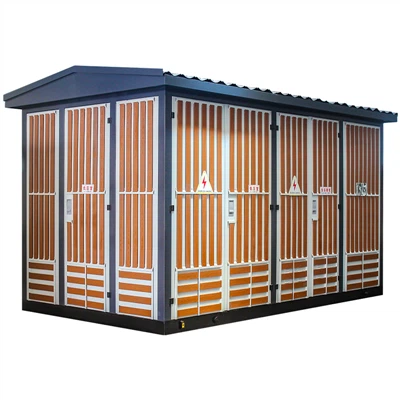
As a box – type substation supplier, I want to stress the importance of having a well – designed emergency response plan. It not only ensures the reliable operation of the substation but also protects the safety of the people and the surrounding environment.
Box Type Substation If you’re in the market for box – type substations or need help with creating an emergency response plan for your existing substations, don’t hesitate to reach out. We have a wealth of experience in this field and can provide you with high – quality products and professional advice.
References
- Electrical Safety Codes and Standards by the National Fire Protection Association
- Handbook of Power System Engineering
- Guidelines for Emergency Preparedness in Electrical Substations published by the International Electrotechnical Commission
Jiangxi Yihong Electric Power Technology Co., Ltd.
As one of the most experienced box type substation manufacturers and suppliers in China, we also support customized service. We warmly welcome you to buy high quality box type substation from our factory. If you have any enquiry about pricelist, please feel free to email us.
Address: Chating Industrial Park, Guangxin District, Shangrao City, Jiangxi Province
E-mail: 15779933057@163.com
WebSite: https://www.yihcn.com/
