Hey there, fellow farmers and gardening enthusiasts! I’m a supplier of diflufenican, and I’m super stoked to share with you all about how this amazing herbicide works its magic to control weeds. Diflufenican

What’s Diflufenican?
First off, let’s get to know diflufenican a bit. It’s a pre – and early post – emergence herbicide. That means you can use it before the weeds even pop up from the soil or just after they start showing. It belongs to the chemical family of N – phenylphthalimides. This herbicide has been around for a while, and it’s got a solid reputation in the agricultural and horticultural worlds.
How it Gets into Weeds
Diflufenican has a couple of ways to get inside those pesky weeds. One of the main routes is through the roots. When you apply it to the soil, the herbicide dissolves in the soil moisture. The weed roots then soak up this solution along with the water they’re taking in for normal growth. It’s like the weeds are unknowingly drinking a toxic cocktail!
Another way is through the shoots. If you’re using it as an early post – emergence treatment, the herbicide can be absorbed by the young weed shoots. The waxy cuticle on the surface of the shoots allows diflufenican to penetrate, and once it’s in, it starts causing trouble for the weeds.
The Targets Inside Weeds
Once diflufenican is inside the weed, it goes after specific targets. One of its main targets is the carotenoid biosynthesis pathway. Carotenoids are pigments that play a crucial role in plants. They help protect the plant from damage caused by light and oxidative stress. They’re also involved in photosynthesis.
Diflufenican inhibits an enzyme called phytoene desaturase in the carotenoid biosynthesis pathway. When this enzyme is blocked, the production of carotenoids is disrupted. Without enough carotenoids, the weed’s cells become extremely sensitive to light.
The Domino Effect of Disrupting Carotenoids
When carotenoid production is halted, it sets off a chain reaction of bad things for the weed. First of all, as I mentioned, the weed cells become very sensitive to light. Normally, carotenoids act as a kind of sunscreen for the plant, protecting it from the harmful effects of too much light. But without them, the light energy can’t be properly managed.
This leads to the formation of reactive oxygen species (ROS) in the weed cells. ROS are like little bombs inside the cells. They’re highly reactive and can damage almost all the important molecules in the cell, such as proteins, lipids, and DNA.
The damage to the cell membranes is particularly significant. The cell membranes are like the protective walls of the cell, controlling what goes in and out. When they’re damaged by ROS, the cell loses its ability to maintain its normal functions. Nutrients and water start leaking out, and essential substances can’t get in.
As a result, the weed starts to show visible symptoms. It usually starts to turn white or pale yellow because of the lack of carotenoids and the damage to the pigments in the leaves. Eventually, the cells start to die, and the whole plant will wither and die.
Benefits of Using Diflufenican
One of the great things about diflufenican is its broad – spectrum activity. It can control a wide variety of broad – leaved weeds. Whether it’s chickweed, shepherd’s purse, or field pansy, diflufenican has got them covered. This means you don’t have to use multiple herbicides for different weed species, which can save you time and money.
It also has a relatively long soil residual activity. Once applied to the soil, it can keep working for an extended period, providing long – term weed control. This is especially useful in crops where there’s a risk of continuous weed emergence throughout the growing season.
Another benefit is its safety profile. When used according to the label instructions, diflufenican is relatively safe for many crops. It has a low toxicity to mammals, which is a big plus for farmers and the environment.
Application Tips
If you’re thinking of using diflufenican, here are some tips to get the best results. For pre – emergence application, make sure the soil is well – prepared. A fine tilth helps the herbicide to be evenly distributed in the soil. You can use a mechanical spreader or a sprayer to apply it.
If you’re doing an early post – emergence application, it’s important to apply it when the weeds are young and actively growing. Weeds are more susceptible to the herbicide at this stage. Also, make sure to follow the recommended dosage. Using too little might not effectively control the weeds, while using too much can be a waste of money and may even harm your crops.
Our Diflufenican Product
As a supplier, I’m really proud of the diflufenican we offer. We make sure it’s of the highest quality. Our product is formulated to be easily soluble in water, which makes it convenient for application. Whether you’re using a small – scale hand – held sprayer for your garden or a large – scale agricultural sprayer, our diflufenican will work great.
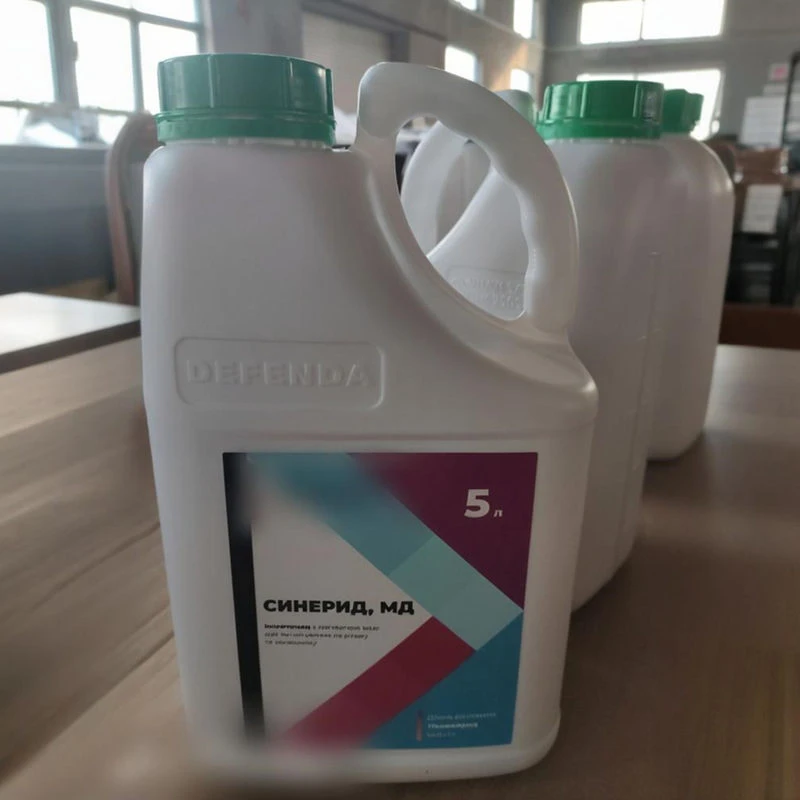
We also provide excellent customer service. If you have any questions about how to use it, compatibility with other products, or storage, our team is always ready to help. We know that every farm and garden is different, and we’re committed to helping you find the best solution for your weed control needs.
Time to Take Action
MCPA So, if you’re tired of those stubborn weeds ruining your crops or garden, it’s time to give diflufenican a try. It’s a proven herbicide that can really make a difference. If you’re interested in purchasing diflufenican, don’t hesitate to get in touch with us. We can discuss your specific requirements, provide you with a quote, and help you start using this amazing herbicide as soon as possible.
References
- "Herbicide Handbook" by the Weed Science Society of America
- Research papers on diflufenican’s mode of action in leading agricultural journals.
Changzhou Dayilong Bio-Tech Co., Ltd.
With abundant experience, we are one of the most professional diflufenican manufacturers and suppliers in China. Please rest assured to buy bulk high quality diflufenican made in China here from our factory. Good service and reasonable price are available.
Address: Hundsun Science & Technology Park 3-1, BeiTangHe Road 8, Tianning District, Changzhou City, Jiangsu, China
E-mail: Sales@dayilongbio-tech.com
WebSite: https://www.dayilongagro-chemical.com/
