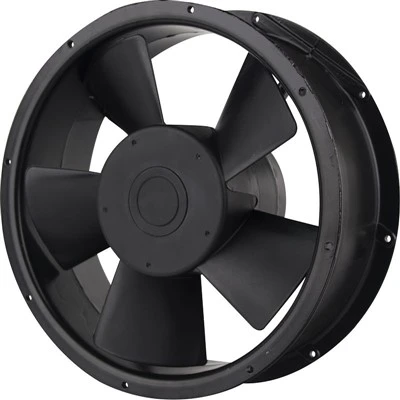
Electronics cooling fans are an essential component in the world of electronics, playing a crucial role in maintaining optimal operating temperatures for various devices. As a supplier of electronics cooling fans, I’ve had the privilege of working with a wide range of customers, from hobbyists to large-scale manufacturers. One of the most frequently asked questions I encounter is about the common sizes of electronics cooling fans. In this blog post, I’ll delve into the various sizes available, their applications, and considerations when choosing the right size for your needs. Electronics Cooling Fan
Standard Sizes and Their Applications
80mm Cooling Fans
80mm cooling fans are among the most widely used sizes in the electronics industry. These fans typically operate at a relatively high speed, generating a significant amount of airflow while maintaining a compact form factor. They are commonly found in desktop computers, especially in older models or budget builds. In addition to computer cases, 80mm fans are also used in small servers, networking equipment, and industrial control systems.
The high-speed operation of 80mm fans makes them suitable for applications where space is limited, but efficient cooling is still required. However, it’s important to note that their high speed can also result in increased noise levels, which may be a concern in some environments.
92mm Cooling Fans
92mm cooling fans offer a balance between airflow and noise levels. They are slightly larger than 80mm fans, which allows for a larger blade diameter and a lower rotation speed to achieve similar or better airflow. This makes them ideal for mid-range desktop computers and small form factor PCs, where noise reduction is a priority.
In addition to computer cooling, 92mm fans are commonly used in power supplies, CPU coolers, and some types of audio equipment. Their versatility and relatively quiet operation make them a popular choice for a wide range of applications.
120mm Cooling Fans
120mm cooling fans are perhaps the most popular size in the electronics cooling market. They are known for their high airflow, low noise levels, and energy efficiency. These fans are commonly used in high-performance desktop computers, gaming PCs, and large server systems.
The large blade diameter of 120mm fans allows them to move a significant amount of air at a relatively low speed, which reduces noise and energy consumption. They are also often used in liquid cooling radiators, where their high airflow helps to dissipate heat more effectively.
140mm Cooling Fans
140mm cooling fans are larger than 120mm fans and offer even greater airflow and cooling performance. They are typically used in high-end desktop computers, workstation systems, and large server enclosures. The larger size of 140mm fans allows them to move more air with less effort, resulting in lower noise levels and improved energy efficiency.
In addition to computer cooling, 140mm fans are also used in some industrial applications, such as cooling large electrical cabinets and machinery. Their high performance and reliability make them a popular choice for demanding cooling requirements.
200mm Cooling Fans
200mm cooling fans are the largest commonly available size for electronics cooling. They are typically used in large computer cases, where their large size allows them to move a massive amount of air at a very low speed. This results in extremely low noise levels, making them ideal for silent PC builds.
While 200mm fans offer excellent cooling performance and low noise, their large size can be a limitation in some applications. They require more space for installation and may not be suitable for smaller devices or tight spaces.
Considerations When Choosing the Right Size
When selecting the right size of electronics cooling fan for your application, there are several factors to consider:
Space Constraints
The available space in your device or enclosure is one of the most important factors to consider. Make sure to measure the available space carefully and choose a fan size that will fit without any clearance issues. In some cases, you may need to choose a smaller fan size if space is limited, even if a larger fan would offer better cooling performance.
Cooling Requirements
The cooling requirements of your device will also play a significant role in determining the appropriate fan size. If your device generates a lot of heat, you will need a fan with a higher airflow rating to keep it cool. On the other hand, if your device generates less heat, a smaller fan may be sufficient.
Noise Tolerance
The noise level of the fan is an important consideration, especially in applications where quiet operation is required. Generally, larger fans can achieve higher airflow at lower speeds, resulting in less noise. If noise is a concern, choose a fan size that offers a good balance between airflow and noise levels.
Energy Efficiency
Energy efficiency is becoming increasingly important in today’s electronics. Larger fans typically consume less power than smaller fans to achieve the same airflow, making them a more energy-efficient choice. Consider the power consumption of the fan when making your selection, especially if you are using multiple fans or if your device is in continuous operation.
Custom Sizes and Special Applications
In addition to the standard sizes mentioned above, there are also custom-sized electronics cooling fans available for special applications. These custom fans can be designed to fit specific dimensions, airflow requirements, or noise constraints.
For example, in some aerospace or military applications, cooling fans may need to meet strict size, weight, and performance requirements. In these cases, custom-designed fans can be manufactured to ensure optimal cooling performance while meeting the specific requirements of the application.
Another example is in the field of high-performance computing, where new and innovative cooling solutions are constantly being developed. Custom-sized fans may be used in liquid cooling systems, immersion cooling, or other advanced cooling technologies to provide efficient and reliable cooling for high-power components.
Conclusion
As an electronics cooling fan supplier, I understand the importance of choosing the right fan size for your application. The common sizes of electronics cooling fans, such as 80mm, 92mm, 120mm, 140mm, and 200mm, each have their own advantages and are suitable for different applications. When selecting a fan size, it’s important to consider factors such as space constraints, cooling requirements, noise tolerance, and energy efficiency.
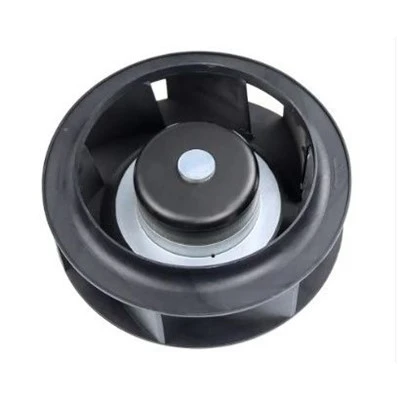
If you’re unsure which fan size is right for your needs, or if you have a special application that requires a custom-sized fan, I’m here to help. Our team of experts has extensive experience in the electronics cooling industry and can provide you with professional advice and guidance. We offer a wide range of high-quality cooling fans in various sizes and configurations to meet your specific requirements.
Special Function Fan Contact us today to discuss your cooling needs and explore how our electronics cooling fans can help you keep your devices running cool and efficiently. Whether you’re a hobbyist building a custom PC or a large-scale manufacturer looking for reliable cooling solutions, we’re committed to providing you with the best products and services.
References
- Cooling Fan Handbook, various editions.
- Electronics Cooling Magazine, multiple issues on cooling fan technology.
- Manufacturer datasheets for popular cooling fan models.
Dongguan Shengzhirong Electronics Co., Ltd.
As one of the most professional electronics cooling fan manufacturers and suppliers in China, our products have good reputation in the market. Please rest assured to wholesale high quality electronics cooling fan made in China here from our factory. Customized orders are welcome.
Address: 6/F, Building 2, No.68, Shunxing 2nd Road, Dajingtou 2nd Industrial Zone, Dalang Town, Dongguan City, Guangdong, China
E-mail: szr_coolingfan@163.com
WebSite: https://www.szrfan.com/
