Is PVC Formwork Fire – Resistant?
As a supplier of PVC formwork, I often encounter questions from customers regarding the fire – resistant properties of our product. This is a crucial concern as safety is a top priority in any construction project. In this blog post, I will delve into the topic of whether PVC formwork is fire – resistant, exploring the science behind it, industry standards, and real – world applications. PVC Formwork
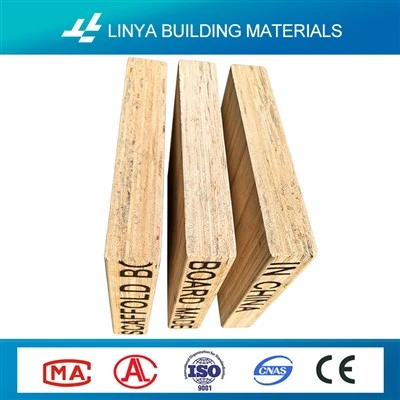
Understanding PVC and Its Fire – Related Characteristics
PVC, or polyvinyl chloride, is a widely used thermoplastic polymer. It has a unique chemical structure that gives it certain inherent fire – related properties. PVC contains chlorine, which is a key factor in its fire behavior. Chlorine is a halogen, and halogens are known for their ability to suppress combustion to some extent.
When PVC is exposed to a fire source, the chlorine atoms in the polymer can react with the free radicals that are generated during the combustion process. These free radicals are essential for the propagation of the fire. By reacting with them, the chlorine atoms can interrupt the chain reaction of combustion, effectively slowing down or even extinguishing the fire under certain conditions.
However, it’s important to note that PVC is not completely fire – proof. When exposed to high temperatures, PVC can still melt and release toxic gases such as hydrogen chloride. The melting point of PVC typically ranges from 100 – 260°C (212 – 500°F), depending on its formulation and additives. Once the temperature exceeds this range, the PVC starts to break down chemically, and the release of toxic gases can pose a significant hazard to human health and the environment.
Fire – Resistance Testing and Standards for PVC Formwork
To ensure the safety of PVC formwork in construction, it must meet certain fire – resistance standards. In many countries, building codes and regulations specify the minimum fire – performance requirements for construction materials, including formwork.
One of the most common tests used to evaluate the fire – resistance of materials is the UL 94 test. This test classifies materials into different categories based on their flammability and self – extinguishing properties. The categories range from V – 0 (the highest level of fire – resistance, where the material stops burning within 10 seconds after the ignition source is removed) to HB (the lowest level, where the material burns at a relatively slow rate).
For PVC formwork, manufacturers typically aim to achieve a high fire – resistance rating. This is often done by adding fire – retardant additives to the PVC formulation. These additives can enhance the fire – suppression properties of the material, making it more likely to meet the required fire – performance standards.
In addition to the UL 94 test, there are other international and regional standards that may apply to PVC formwork. For example, the European Union has its own set of standards for construction products, including requirements for fire safety. These standards are designed to ensure that materials used in construction projects meet a certain level of fire – resistance to protect the occupants of the building and prevent the spread of fire.
Real – World Applications and Fire – Safety Considerations
In real – world construction projects, PVC formwork is often used in a variety of applications, including building foundations, walls, and columns. When using PVC formwork, it’s essential to consider fire – safety measures to minimize the risk of fire.
One of the key aspects of fire safety is proper storage and handling. PVC formwork should be stored in a dry and well – ventilated area away from potential fire sources such as open flames, electrical equipment, and hot surfaces. During transportation, it’s also important to ensure that the formwork is protected from damage and that any packaging materials are properly secured to prevent them from igniting.
On the construction site, fire – prevention measures should be implemented. This may include keeping the work area clean and free of debris, providing adequate fire – extinguishing equipment, and ensuring that workers are trained in fire – safety procedures. In addition, the formwork should be installed in accordance with the manufacturer’s instructions to ensure its structural integrity and fire – performance.
Another important consideration is the interaction between PVC formwork and other materials on the construction site. For example, if the formwork is in contact with flammable materials such as wooden beams or insulation, the overall fire risk may increase. In such cases, additional fire – protection measures may be required, such as using fire – resistant barriers or coatings.
My Experience as a PVC Formwork Supplier
Throughout my experience as a PVC formwork supplier, I have seen firsthand the importance of fire – resistance in the construction industry. Many of our customers specifically request formwork with high fire – resistance ratings to meet the requirements of their projects.
We work closely with our research and development team to continuously improve the fire – performance of our PVC formwork. By using advanced fire – retardant additives and optimizing our manufacturing processes, we are able to produce formwork that meets or exceeds the relevant fire – safety standards.
In addition, we provide our customers with detailed information about the fire – resistance properties of our formwork, including test reports and compliance certificates. This helps them to make informed decisions and ensures that they are using our product in a safe and responsible manner.
We also offer technical support to our customers on fire – safety issues. Whether it’s providing advice on proper storage and handling or assisting with the implementation of fire – prevention measures on the construction site, we are committed to helping our customers ensure the safety of their projects.
Conclusion and Call to Action
In conclusion, while PVC formwork is not completely fire – proof, it can have good fire – resistance properties when formulated and manufactured correctly. The presence of chlorine in PVC and the addition of fire – retardant additives can enhance its ability to suppress combustion and meet the required fire – performance standards.
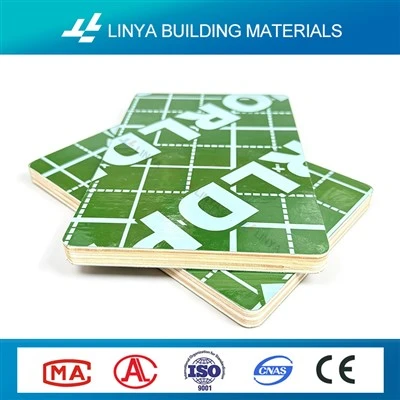
However, it’s important for construction professionals to be aware of the fire – related characteristics of PVC formwork and to implement proper fire – safety measures to minimize the risk of fire. This includes following the manufacturer’s instructions, storing and handling the formwork correctly, and providing adequate fire – protection on the construction site.
Bamboo Formwork If you are interested in purchasing PVC formwork for your construction project and have concerns about its fire – resistance properties, I invite you to contact us for more information. Our team of experts is ready to answer your questions and provide you with the best solutions for your project. Let’s work together to ensure the safety and success of your construction endeavors.
References
- ASTM International. "Standard Test Methods for Flammability of Plastic Materials". ASTM D635 – 14.
- Underwriters Laboratories Inc. "UL 94 Standard for Tests for Flammability of Plastic Materials for Parts in Devices and Appliances".
- European Committee for Standardization. "EN standards related to construction product fire safety".
Shenzhen Linya Building Materials Co., Ltd.
We are one of the most professional PVC formwork manufacturers and suppliers in China, also support customized service. Welcome to buy bulk high quality PVC formwork in stock here from our factory. If you have any enquiry about free sample, please feel free to email us.
Address: Bantian International Center, No.5 Huancheng South Road, Ma’antang Community, Bantian Street, Longgang District, Shenzhen
E-mail: linya@formworksteelprop.com
WebSite: https://www.linyabuildingmaterials.com/
